
Drug Interactions: What You Need to Know Before Taking Medications Together
When you take more than one medication, your body doesn’t just handle them separately—it sees them as a mix, and sometimes that mix causes trouble. This is called a drug interaction, a reaction between two or more drugs, or between a drug and food, supplement, or medical condition, that changes how the drugs work or increases the risk of side effects. Also known as medication interaction, it’s not rare—it’s one of the leading causes of hospital visits in people over 65. You might not think twice about taking an NSAID for a headache while on an SSRI for anxiety, but together, they can raise your risk of stomach bleeding by 75%. Or maybe you enjoy grapefruit juice with breakfast, not realizing it can turn your cholesterol pill into a toxin. These aren’t hypotheticals. They’re real, documented risks that show up in everyday prescriptions.
Some antifungals, medications used to treat yeast and fungal infections like athlete’s foot or thrush are especially dangerous when mixed with other drugs. Ketoconazole and itraconazole can wreck your liver if taken with statins or certain antibiotics. Meanwhile, SSRIs, a class of antidepressants that increase serotonin levels in the brain don’t just affect mood—they interfere with blood clotting, making them risky with blood thinners, NSAIDs, and even some herbal supplements like St. John’s wort. Even something as simple as a calcium channel blocker like diltiazem can change how your body processes other drugs, leading to either too little effect or a dangerous overdose. These aren’t edge cases. They’re common enough that pharmacists now check for interactions before you even leave the counter.
And it’s not just about pills. Alcohol and diabetes meds? That combo can drop your blood sugar so fast you pass out. Breastfeeding moms taking HRT? That can mess with epilepsy drugs. Even expired EpiPens or medicated patches left in a hot car can leak or break down in ways that make them unsafe. The system isn’t broken—it’s just complex. You don’t need to memorize every possible interaction. But you do need to know which ones matter most, how to spot the warning signs, and who to ask when you’re unsure.
Below, you’ll find real, practical guides that cut through the noise. From how grapefruit juice turns simvastatin into a muscle-damaging hazard, to why taking SSRIs with NSAIDs is like playing Russian roulette with your stomach lining, to how antifungals quietly attack your liver without you noticing—these aren’t theory pieces. They’re checklists, red flags, and clear steps you can use today. Whether you’re managing chronic pain, taking meds for mental health, or just trying to avoid a bad reaction, this collection gives you the facts you need to stay safe—no medical degree required.
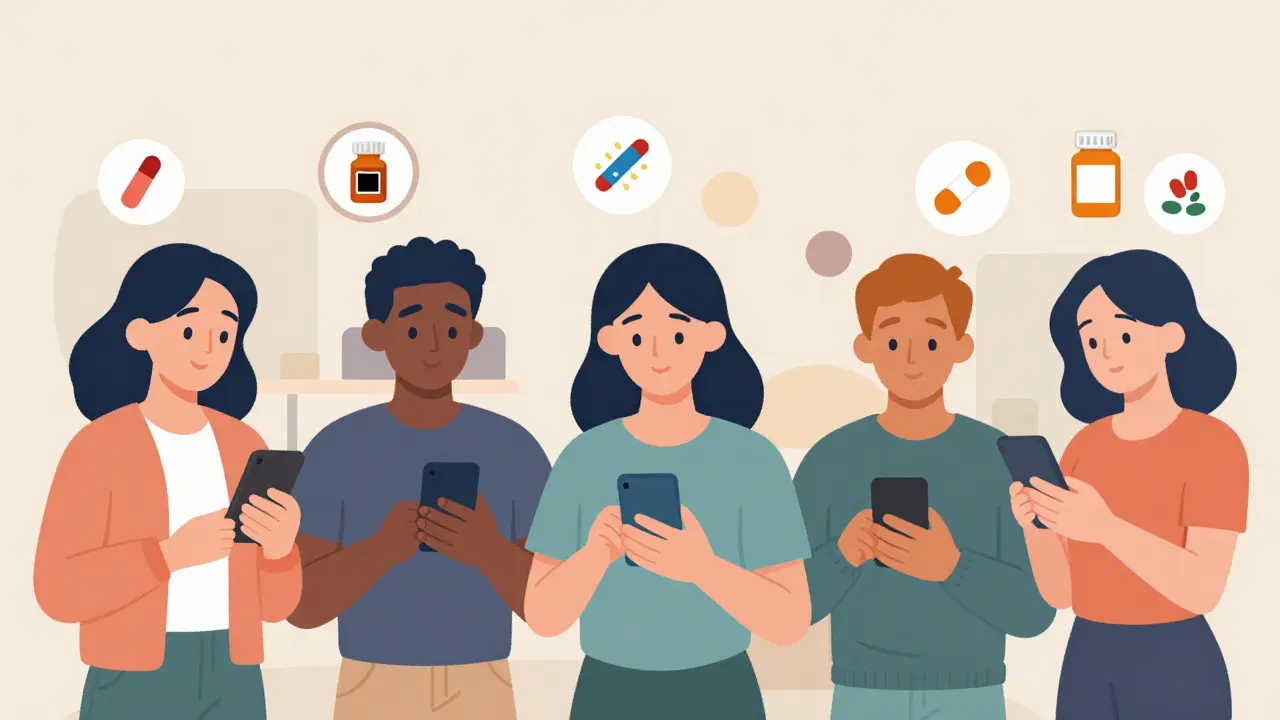
Pharmacy apps help track dangerous drug interactions that can cause serious harm. Learn how to use the best apps to check prescriptions, OTC meds, and supplements - and avoid life-threatening reactions.
Mar, 22 2026
Learn how PPIs and antifungals interact, affecting absorption and efficacy. Discover impacted drugs, management strategies, and new research solutions.
Feb, 4 2026
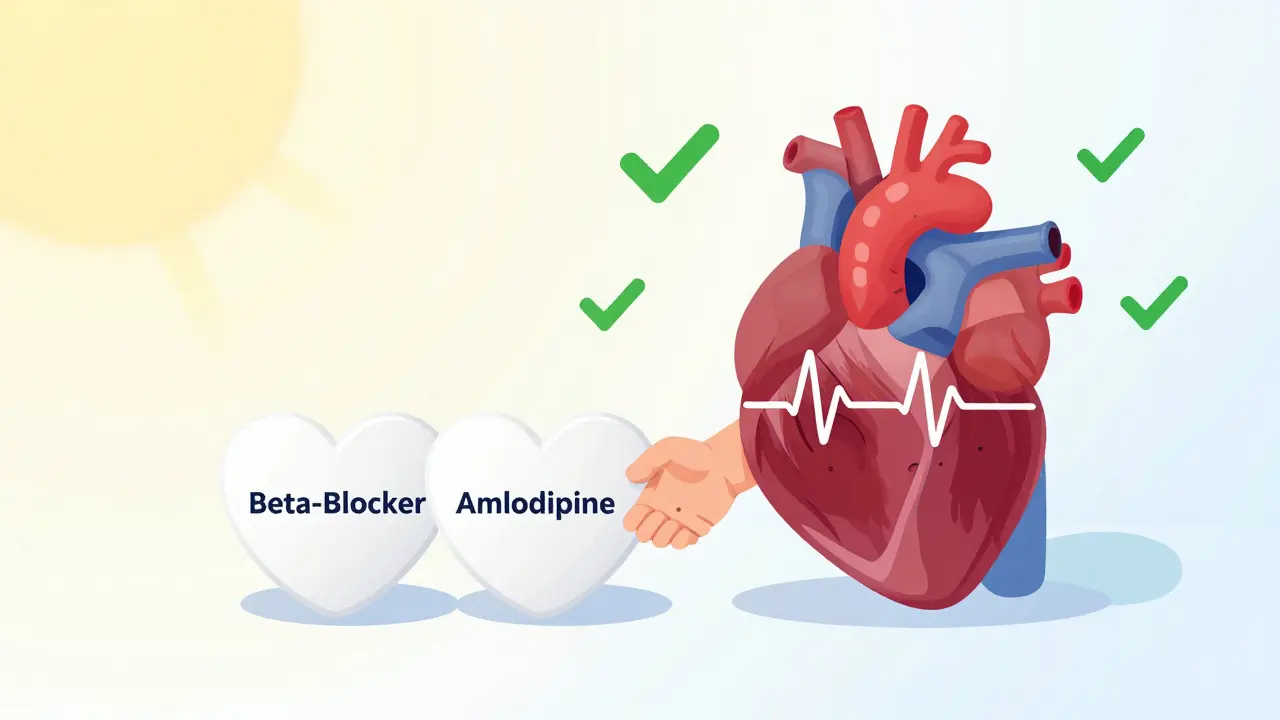
Beta-blockers and calcium channel blockers can be combined for high blood pressure and angina, but only certain pairs are safe. Verapamil with beta-blockers can cause dangerous heart slowdowns-amlodipine is the safer choice. Know the risks before starting.
Jan, 31 2026
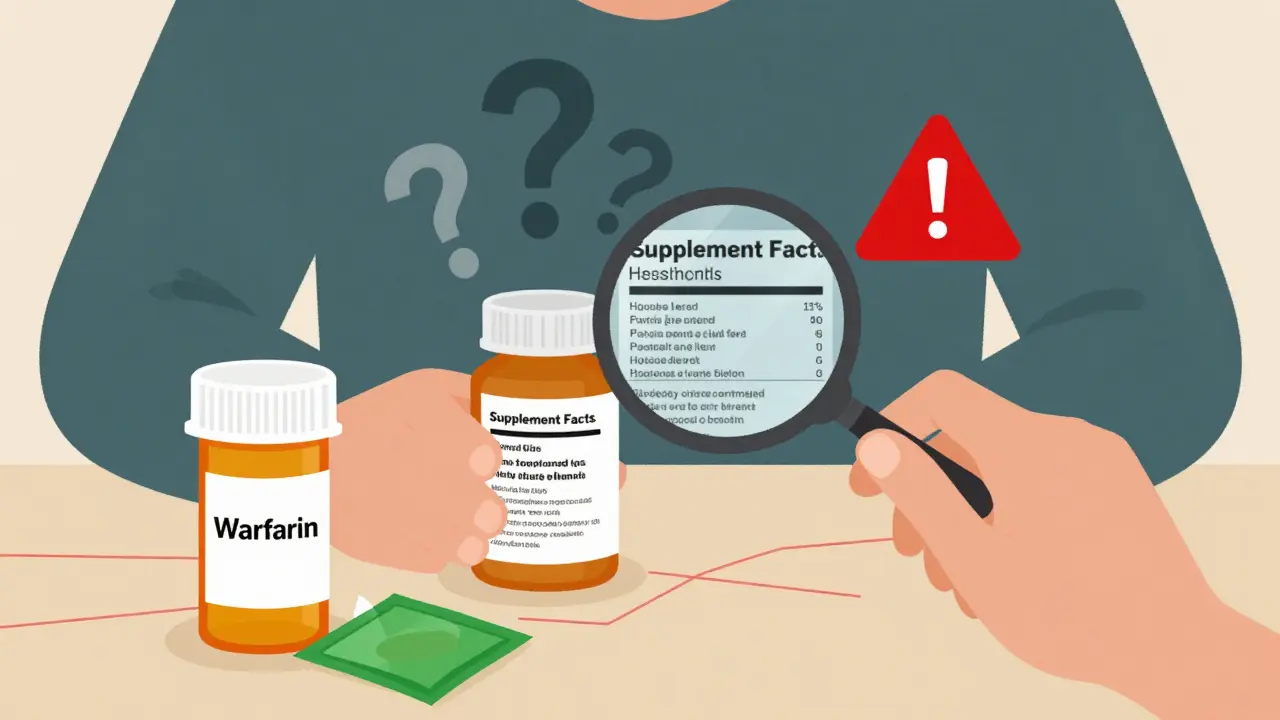
Supplement labels rarely warn about drug interactions, putting millions at risk. Learn how to read them, spot hidden dangers, and protect yourself from dangerous medication conflicts.
Jan, 21 2026

Build a personal medication safety plan with your care team to prevent dangerous drug interactions, missed doses, and adverse events. Learn how to track meds, store them safely, and communicate effectively with your providers.
Dec, 2 2025