
Serotonin Syndrome: Causes, Risks, and What You Need to Know
When your body gets too much serotonin, a chemical your brain and nervous system use to regulate mood, sleep, and muscle function. Also known as serotonin toxicity, it can turn a normal medication routine into a medical emergency. This isn’t just a side effect—it’s a real, life-threatening condition that happens when drugs pile up and overload your system. You don’t need to take a bunch of pills at once. Sometimes, just adding one new medication to your existing list is enough.
Most cases come from SSRIs, a common class of antidepressants like Zoloft and Prozac, especially when mixed with other drugs that boost serotonin. That includes certain pain meds like tramadol, migraine treatments like triptans, even some herbal supplements like St. John’s wort. Even antifungals, like ketoconazole and voriconazole, can interfere with how your body breaks down these drugs, making serotonin build up faster. It’s not about being careless—it’s about how these drugs interact behind the scenes, and most people don’t know the risks until it’s too late.
The signs don’t always show up right away. You might feel restless, start sweating more than usual, or get a fast heartbeat. Then come the muscle twitches, shivering, or even high fever. In severe cases, your body goes into overdrive—confusion, seizures, or loss of consciousness. If you’re on antidepressants and notice any of this, don’t wait. Call your doctor. Don’t assume it’s just stress or a bad day. Serotonin syndrome moves fast, and early action saves lives.
This isn’t just about one drug or one person. It’s about how medications work together—and how easily the system misses these connections. That’s why so many cases happen after a new prescription, a dose change, or even switching brands. Your pharmacist might catch it. Your doctor might not. You need to know what to watch for.
Below, you’ll find real-world stories and clear explanations about the drugs that cause this, how to spot the warning signs before it gets bad, and what to do if you’re taking multiple meds that could interact. No fluff. No jargon. Just what you need to stay safe.
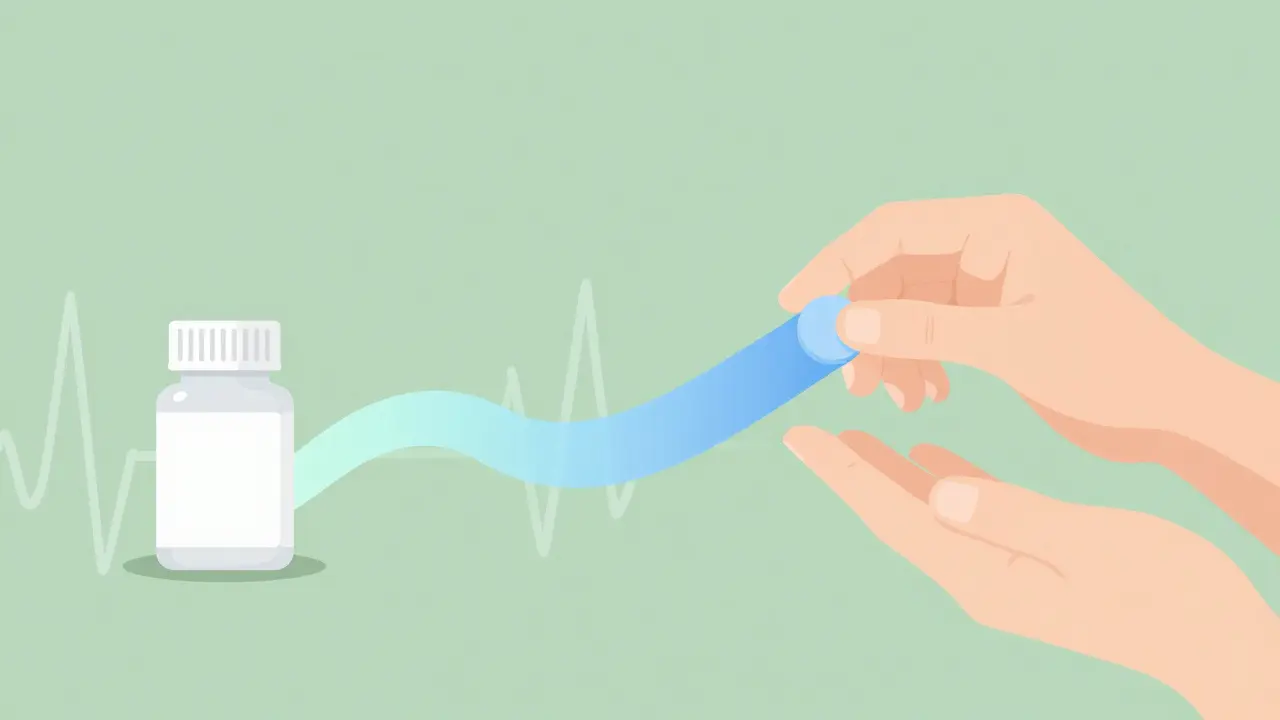
Switching antidepressants is common but risky if done without a plan. Learn how to minimize withdrawal symptoms, avoid serotonin syndrome, and use cross-tapering safely to make the transition smoother and more effective.
Feb, 1 2026
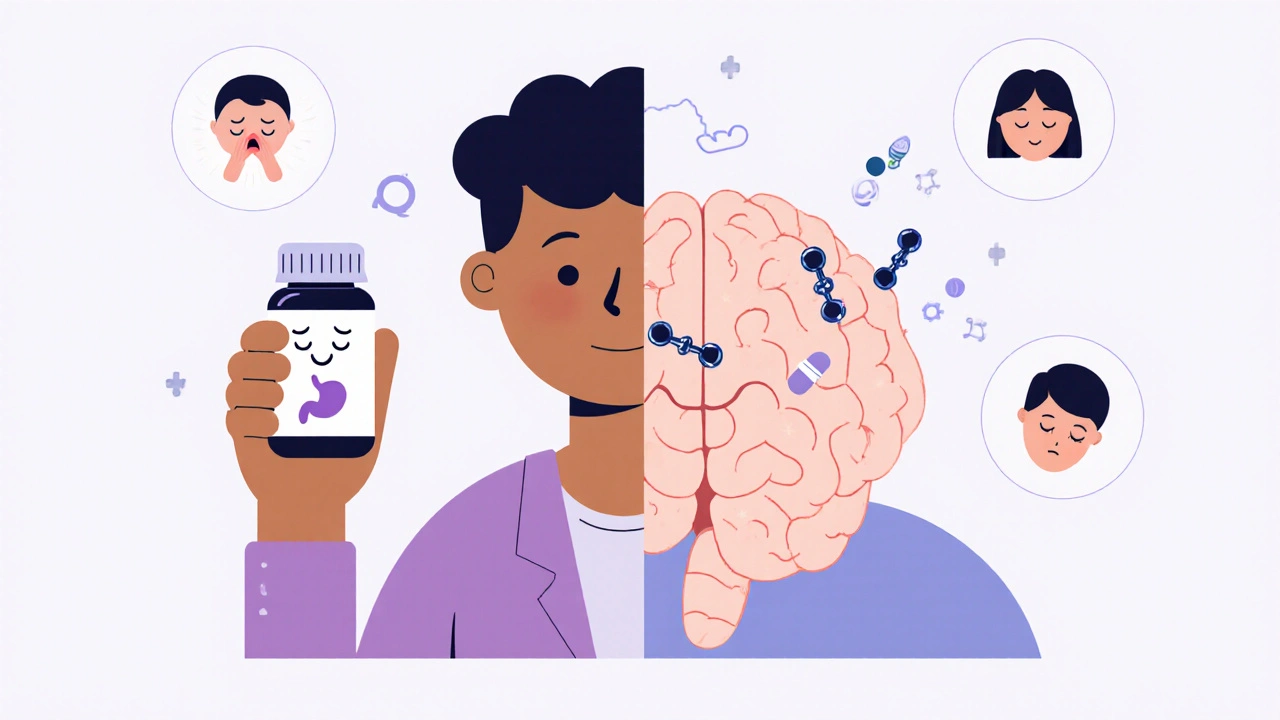
SSRIs help millions with depression and anxiety, but side effects like nausea, sexual dysfunction, and weight gain are common and often underreported. Learn what to expect - and how to manage it.
Nov, 29 2025