
Hatch-Waxman Act: How Generic Drugs Got Their Footing in the U.S. Market
When you pick up a generic pill at the pharmacy and pay a fraction of the brand-name price, you’re seeing the result of the Hatch-Waxman Act, a 1984 U.S. law that created a legal pathway for generic drugs to enter the market without repeating expensive clinical trials. Also known as the Drug Price Competition and Patent Term Restoration Act, it’s the reason millions of Americans can afford medications like metformin, lisinopril, or sertraline.
This law didn’t just make generics possible—it built a system that balances two competing goals: letting drugmakers recover their R&D costs through patents, while letting generics compete fairly once those patents expire. Before Hatch-Waxman, companies spent years and millions just to prove a generic version worked the same as the brand. The Act changed that by letting generic makers file an ANDA, an Abbreviated New Drug Application that relies on the brand’s existing safety and efficacy data. This cut approval time from years to months and slashed costs. But it wasn’t all free-for-all. The law also gave brand-name companies a 5-year exclusivity period and up to 5 more years of patent extension if they conducted new clinical studies. That’s why you often see a gap between when a drug’s patent expires and when the first generic hits shelves—companies are still protecting their window.
The Hatch-Waxman Act also created the legal foundation for today’s debates around biosimilars, NTI drugs, and generic substitution rules. It’s why states like New York and California have special laws blocking substitution for drugs like warfarin or levothyroxine—because even tiny differences in absorption can matter. It’s why the FDA requires stability testing for every generic batch and why manufacturing defects in generics can lead to recalls. And it’s why your doctor can confidently say, "This generic is just as safe and effective as the brand," because the law made sure it had to be.
What you’ll find below are real-world stories tied to this law: how generic entry drops prices, how patent tricks delay competition, why some drugs still cost too much even after generics arrive, and how patients and pharmacists navigate the system. From FDA approval delays to counterfeit drug risks, every post here connects back to the rules Hatch-Waxman set in motion—and how they play out in your medicine cabinet today.
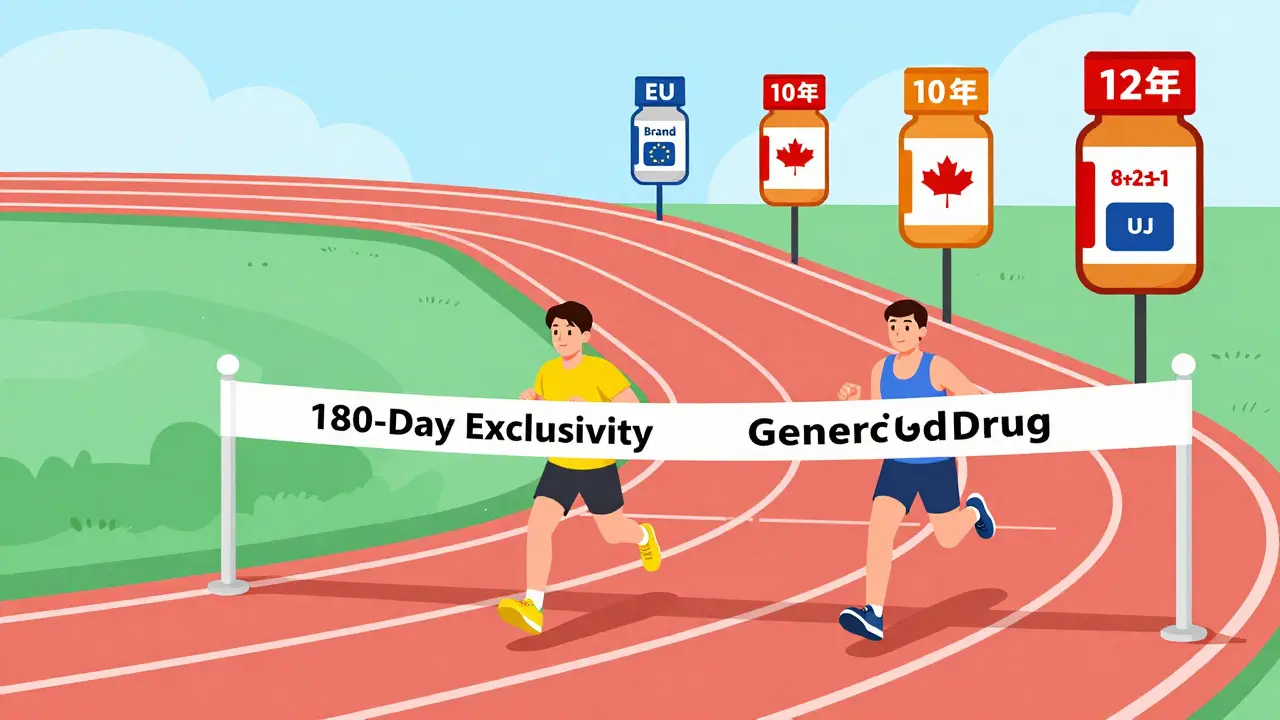
Generic drug exclusivity periods vary widely by country, affecting when affordable versions reach patients. The U.S. uses complex patent challenges and 180-day exclusivity; the EU uses structured data protection. These rules shape global access and drug prices.
Dec, 15 2025
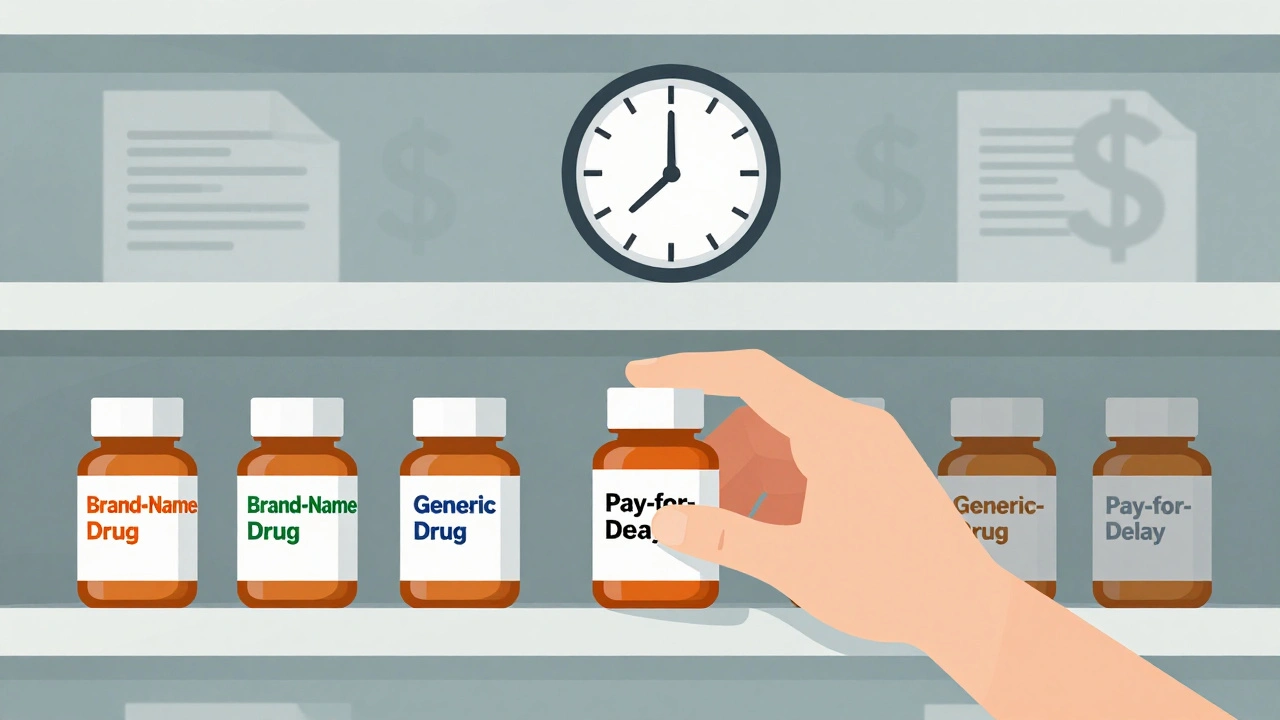
Antitrust laws were designed to ensure generic drugs reach the market quickly and cheaply, but corporate tactics like pay-for-delay and product hopping are undermining competition. Learn how these practices hurt consumers and what’s being done to stop them.
Dec, 5 2025