
Yoga for Pain: How Movement Helps Relieve Chronic Discomfort
When you're dealing with yoga for pain, a gentle, movement-based approach used to reduce physical discomfort and improve joint function. Also known as therapeutic yoga, it's not about twisting into impossible poses—it's about moving with awareness to ease tension, rebuild strength, and reset how your body responds to pain. Unlike pills that mask symptoms, yoga works on the root: stiff muscles, poor posture, and a nervous system stuck in fight-or-flight mode. People with chronic back pain, arthritis, or nerve-related discomfort often find that regular, modified yoga sessions help them move better and feel less pain over time.
It’s not magic—it’s science. Studies show that chronic pain relief, the reduction of long-term physical discomfort through non-drug methods can be significantly improved with yoga. For example, people with lower back pain who practiced yoga three times a week for eight weeks reported less pain and better mobility than those who only took painkillers. yoga for back pain, a targeted practice using poses like cat-cow, child’s pose, and supported bridge to release spinal tension is one of the most researched uses of yoga in pain management. Similarly, yoga for arthritis, a low-impact movement routine designed to lubricate joints and reduce inflammation without stressing them helps thousands avoid stiffness and maintain daily function. These aren’t just anecdotes—they’re patterns seen in clinical settings and patient journals.
What makes yoga different from other therapies? It gives you control. You don’t need a prescription. You don’t need to wait for an appointment. You can start with five minutes a day on your living room floor. The goal isn’t to touch your toes—it’s to find comfort in your body again. Many people begin yoga because they’re tired of relying on meds that make them drowsy or upset their stomach. They want something that helps them feel stronger, not just numb.
Below, you’ll find real stories and practical advice from people who’ve used yoga to manage pain—not just temporarily, but over months and years. Some learned how to adapt poses after surgery. Others discovered how breathing techniques reduced their nerve pain. A few even stopped taking daily painkillers after building a consistent routine. These aren’t miracle cures. They’re smart, sustainable habits built one breath and one stretch at a time.
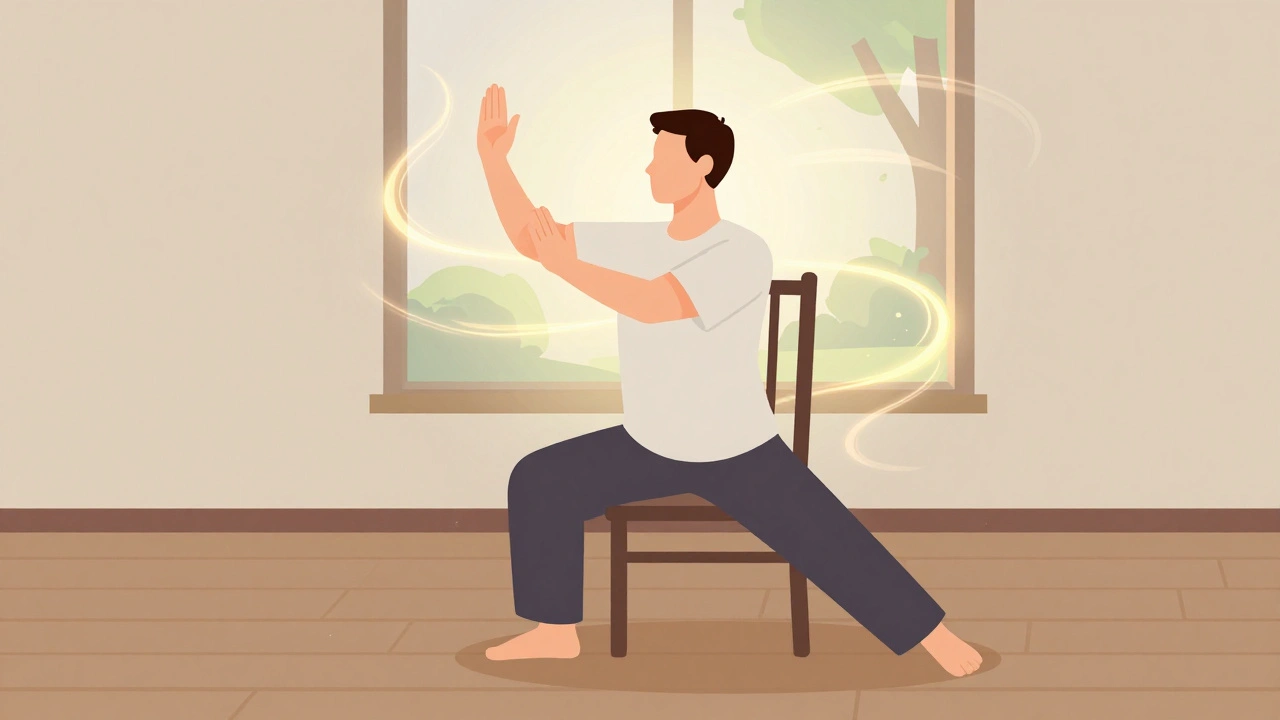
Yoga and tai chi offer gentle, evidence-based ways to reduce chronic pain without drugs. Learn how these mind-body practices improve mobility, lower stress, and help you move again-back pain, arthritis, fibromyalgia, and more.
Dec, 4 2025