
Statins: What They Are, How They Work, and What You Need to Know
When your doctor says you need to lower your cholesterol, chances are they’re talking about statins, a class of medications designed to reduce LDL (bad) cholesterol by blocking an enzyme your liver uses to make it. Also known as HMG-CoA reductase inhibitors, statins are among the most prescribed drugs in the world—not because they’re magic, but because they work, and they’ve been proven to cut heart attacks and strokes in people at risk. But statins aren’t just about pills and numbers. They’re tied to real-life choices: what you eat, what other meds you take, and even how your body reacts over time.
One big thing people don’t talk about enough is how statin side effects, like muscle pain, fatigue, or even rare liver issues, can show up months after starting the drug. myopathy isn’t just a word in a pamphlet—it’s what happens when your muscles start aching without a clear reason. And then there’s statin interactions, especially with grapefruit juice, certain antibiotics, or even some supplements. CYP3A4 drug interactions can spike statin levels in your blood, turning a safe dose into a dangerous one. That’s why you can’t just grab any over-the-counter remedy when you’re on statins.
Not everyone needs a statin. Some people lower their LDL with diet, exercise, or newer drugs like PCSK9 inhibitors. But for millions, statins are the first—and sometimes only—line of defense against heart disease. The key is knowing your numbers, watching for signs your body isn’t responding well, and asking your doctor about alternatives if things aren’t working. You don’t have to just accept muscle pain as "normal." And you don’t have to guess whether that new supplement is safe.
Below, you’ll find real-world advice on how statins interact with other meds, what to do if you feel off, which ones are safest for your liver, and how grapefruit juice can turn a simple pill into a health risk. No fluff. No marketing. Just what you need to know to stay safe and in control.
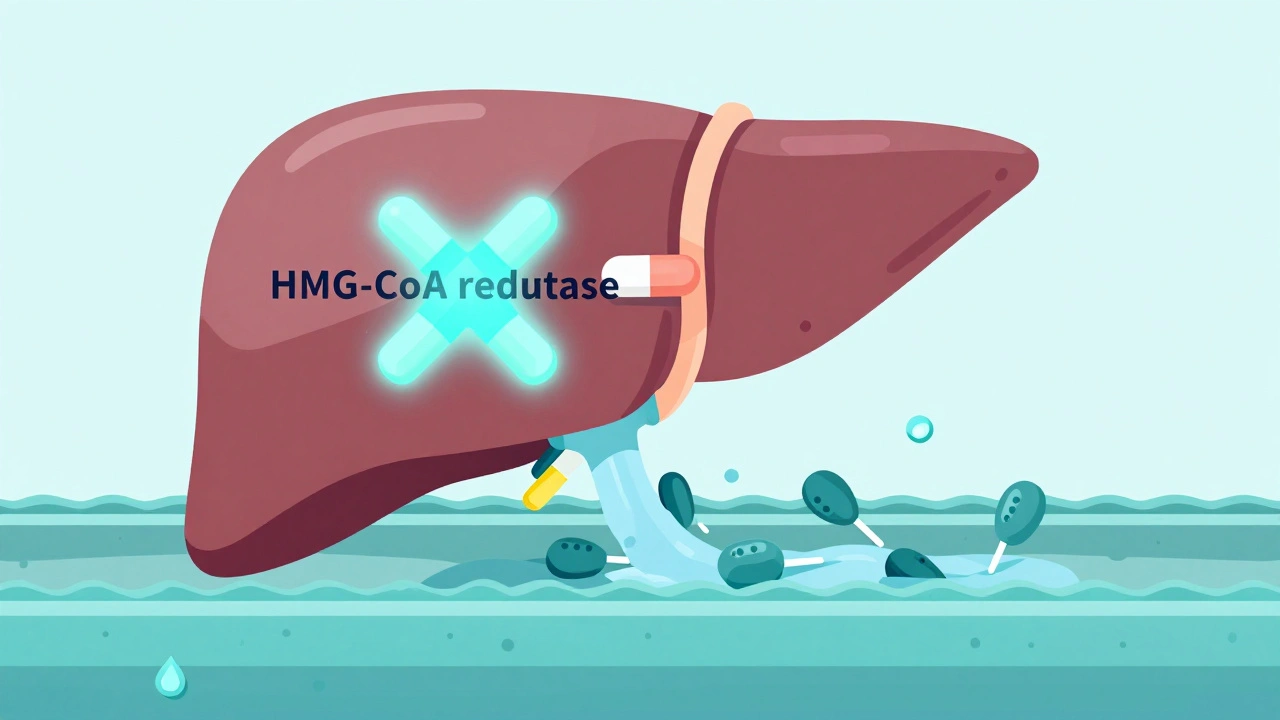
Statins are the first-line treatment for high cholesterol, but side effects affect many. Learn about proven alternatives like ezetimibe, PCSK9 inhibitors, and inclisiran - how they work, who they’re for, and how they compare.
Dec, 7 2025