
Cholesterol-Lowering Medications: Statins vs. Alternative Options
When your doctor says your cholesterol is too high, the first thing you’ll likely hear is statins. And for good reason. Since the 1980s, statins have been the go-to tool for cutting LDL - the "bad" cholesterol - and reducing your risk of heart attack and stroke. But what if you can’t take them? Maybe your muscles ache, your liver enzymes spike, or you just feel off. You’re not alone. About 1 in 5 people stop statins within a year, often because of side effects. The good news? There are real, science-backed alternatives - and they’re not just supplements or "natural" fixes.
How Statins Actually Work
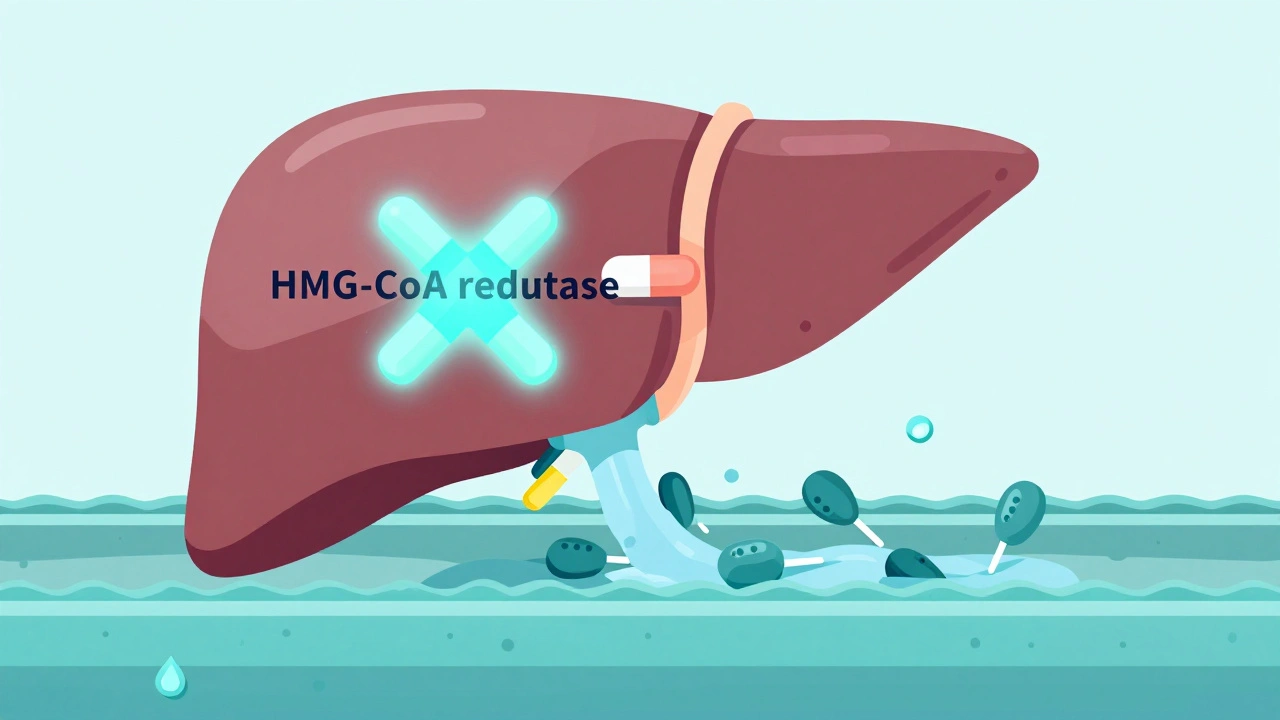
Statins don’t just "lower cholesterol" - they change how your liver works. They block an enzyme called HMG-CoA reductase, which your liver uses to make cholesterol. When that enzyme slows down, your liver starts pulling more LDL out of your blood to make up the difference. It’s like turning off a faucet while opening a drain. The result? LDL levels drop by 30% to over 40%, depending on the drug and dose.
The most common statins are atorvastatin (Lipitor) and rosuvastatin (Crestor). They’re powerful, well-studied, and often covered by insurance as generics. Simvastatin and pravastatin are older but still widely used. One key difference? Some statins, like simvastatin and atorvastatin, are broken down by the CYP3A4 liver enzyme. That means they can clash with grapefruit juice, certain antibiotics, or even some heart meds. Pravastatin and rosuvastatin don’t have that issue - fewer interactions, fewer headaches.
But here’s something most people don’t know: doubling your statin dose doesn’t double the benefit. A 20% increase in dose might only drop LDL another 6%. That’s why doctors don’t just crank up the dose - they look for other tools.
Why People Stop Statins - And What to Do Instead
Muscle pain is the #1 reason people quit statins. But here’s the twist: studies show that in up to 90% of cases, the pain isn’t actually caused by the statin. It’s often just coincidence - aging, vitamin D deficiency, or another condition. Still, if you’re truly suffering, you don’t have to give up on lowering your cholesterol.
First, try switching statins. If you were on simvastatin, try pravastatin or rosuvastatin. If you’re on a daily dose, ask about every-other-day dosing. Many people find relief with less frequent dosing. If that doesn’t work, your doctor might add a non-statin drug - not replace the statin entirely.
Ezetimibe: The Quiet Helper
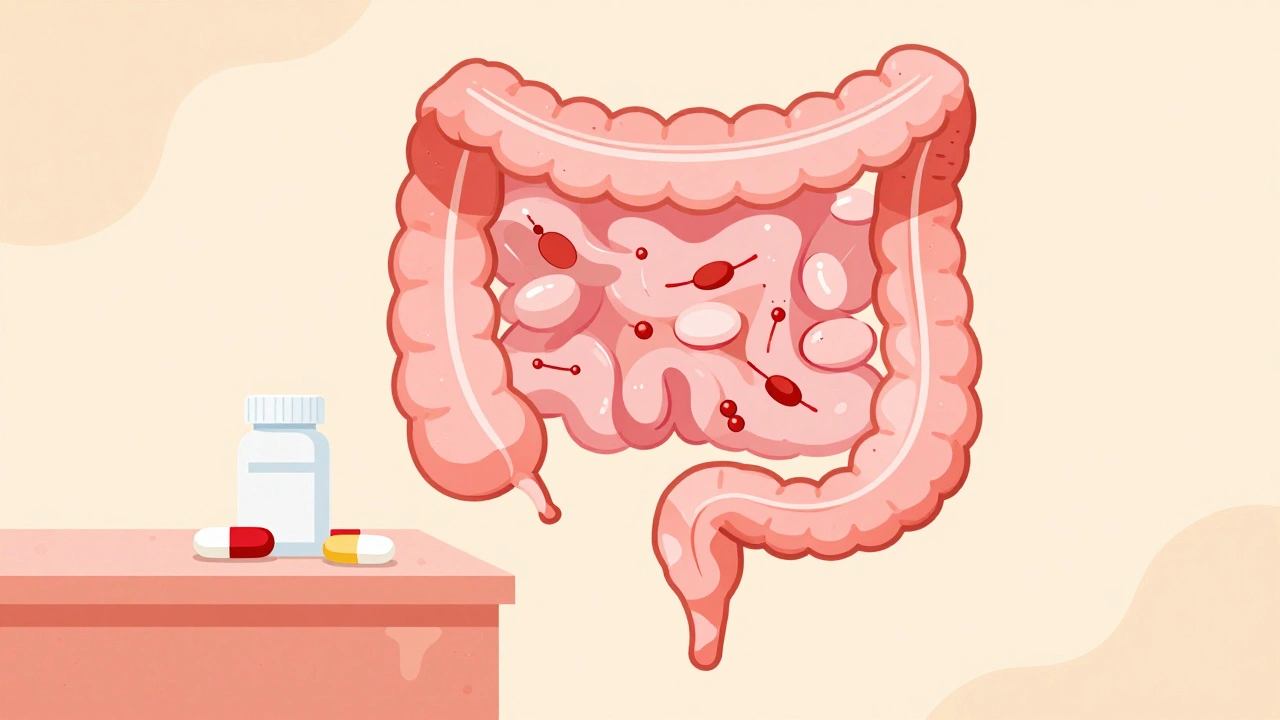
Ezetimibe (Zetia) doesn’t touch your liver. Instead, it blocks cholesterol absorption in your gut. Think of it like a bouncer at the door of your intestines - it stops dietary cholesterol from even getting into your bloodstream. Alone, it lowers LDL by 15% to 22%. That’s not flashy, but when you combine it with a low-dose statin? You get an extra 21% to 27% drop.
Patients who can’t tolerate statins often do well on ezetimibe alone. One user on a heart health forum said, "Zetia alone got my LDL from 190 to 160. Added to my low-dose simvastatin? Down to 110." That’s a huge win. And unlike statins, ezetimibe rarely causes muscle pain. It’s a pill, taken once a day, with almost no drug interactions. It’s not a magic bullet, but it’s a reliable backup.
PCSK9 Inhibitors: The Heavy Hitters
If you’ve got heart disease, a history of heart attack, or stubbornly high LDL despite statins and ezetimibe, PCSK9 inhibitors might be your next step. These are injectables - alirocumab (Praluent) and evolocumab (Repatha) - given every two or four weeks. They work by disabling a protein called PCSK9, which normally tells your liver to destroy LDL receptors. Block PCSK9, and your liver keeps more receptors alive to sweep LDL out of your blood.
The results? LDL drops by up to 60%. In people with existing heart disease, these drugs cut the risk of heart attack, stroke, or death by 20%. That’s not small. And unlike statins, they don’t raise the risk of hemorrhagic stroke - a real concern for people who’ve had a brain bleed in the past.
But there’s a catch: cost. These drugs cost about $5,850 a year. Insurance often denies them unless you’ve tried and failed on statins and ezetimibe first. Some patients report being denied coverage three or four times before approval. Still, for those who need them, they’re life-changing. One Reddit user wrote: "Repatha dropped my LDL from 220 to 60 in three months. Worth every fight with my insurance."
Newer Options: Bempedoic Acid and Inclisiran
Bempedoic acid (Nexletol) is a newer oral pill that works in the liver - but not the same way as statins. It blocks a different enzyme called ATP citrate lyase. It lowers LDL by about 17% on its own and can be combined with ezetimibe. It’s less likely to cause muscle pain than statins, making it a good fit for people who can’t tolerate them.
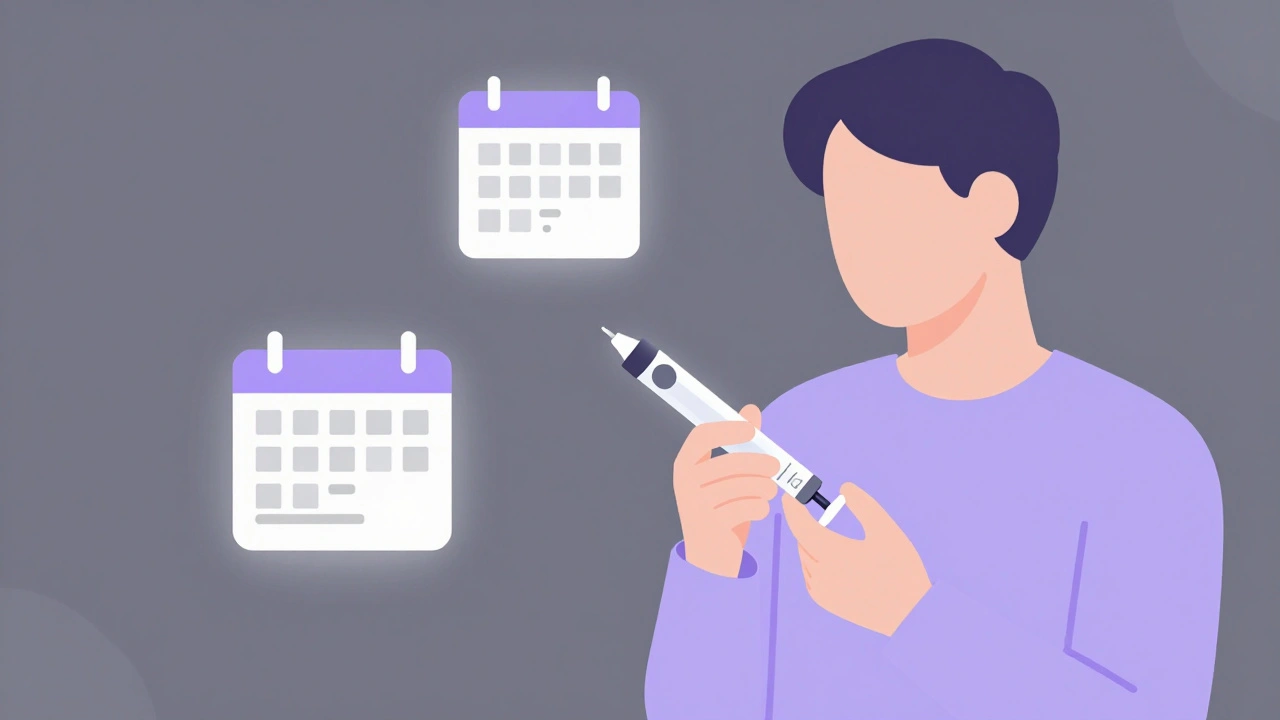
Then there’s inclisiran (Leqvio). Approved in 2021, it’s not a pill or a daily shot. It’s an RNA-based therapy that silences the PCSK9 gene. You get two injections a year - one now, another three months later, then twice a year after that. It cuts LDL by 40% to 50% when added to a statin. It’s not for everyone, but for someone who struggles with daily pills or weekly injections, it’s a game-changer for adherence.
What Doesn’t Work - And Why
You’ll see ads for red yeast rice, garlic pills, or fish oil that "lower cholesterol." Red yeast rice contains a natural form of lovastatin - so if you’re allergic to statins, you’re likely allergic to this too. Fish oil lowers triglycerides, not LDL. Garlic? Studies show no meaningful effect on cholesterol levels. Harvard Health put it bluntly: "If you need to lower your LDL, a statin works, and these supplements do not."
Supplements aren’t regulated like drugs. Their potency varies. They can interact with your meds. And they don’t reduce heart attack risk the way statins or PCSK9 inhibitors do. Don’t trade proven therapy for wishful thinking.
Choosing the Right Path
There’s no one-size-fits-all. Your doctor will look at your LDL number, your heart disease risk, your other meds, your budget, and your tolerance for injections or pills. Here’s a simple breakdown:
- If you can take statins and tolerate them? Stick with them. They’re the most proven option.
- If you have muscle pain but still want to use a statin? Try switching to pravastatin or rosuvastatin, or try every-other-day dosing.
- If you can’t take statins at all? Ezetimibe is your first alternative. It’s affordable, safe, and effective enough for many.
- If you have heart disease and LDL stays high? PCSK9 inhibitors or inclisiran may be necessary.
- If you hate taking pills every day? Inclisiran’s twice-yearly shots could be ideal.
Don’t assume alternatives are "weaker." PCSK9 inhibitors lower LDL more than most statins. Ezetimibe adds power to low-dose statins. The goal isn’t to avoid statins - it’s to find the safest, most effective combo for you.
What to Expect After Starting
Statins take 4 to 12 weeks to reach full effect. So don’t panic if your next blood test doesn’t show a huge drop right away. Your doctor will check liver enzymes before you start and maybe once after a few months. Routine monitoring isn’t needed unless you have symptoms.
For PCSK9 inhibitors and inclisiran, you’ll need training on how to give yourself a subcutaneous shot. Most clinics offer this for free. You’ll also need to track your insurance approvals - it can be a paperwork marathon.
And remember: no drug replaces diet, exercise, or quitting smoking. Medication works best when it’s part of a bigger plan. But if your cholesterol stays high despite lifestyle changes, medication isn’t a failure - it’s your next step toward a longer, healthier heart.
Can I take ezetimibe instead of a statin?
Yes, if you can’t tolerate statins due to muscle pain or other side effects. Ezetimibe lowers LDL by 15% to 22% on its own - enough for some people, especially if their risk is low. But for higher-risk patients, doctors usually combine it with a low-dose statin for better results.
Are PCSK9 inhibitors safer than statins for people who’ve had a stroke?
For people who’ve had a hemorrhagic stroke (bleeding in the brain), PCSK9 inhibitors like Repatha or Praluent may be safer than statins. Statins slightly increase the risk of this type of stroke. PCSK9 inhibitors don’t carry that same risk, according to UCLA Health research. But they’re not recommended for everyone - only those with high risk and high LDL despite other treatments.
Why are PCSK9 inhibitors so expensive?
They’re biologic drugs - made from living cells, not synthesized chemicals. That makes them harder and costlier to produce. Insurance companies often require you to try and fail on cheaper options like statins and ezetimibe before approving them. Patient assistance programs exist, but the process can be slow and frustrating.
Do cholesterol-lowering drugs cause diabetes?
Statins slightly increase the risk of developing type 2 diabetes - about a 0.1% to 0.2% increase per year. That’s small compared to the benefit of preventing heart attacks. The risk is higher in people who already have prediabetes or obesity. PCSK9 inhibitors and ezetimibe don’t carry this risk. If you’re concerned, talk to your doctor about monitoring your blood sugar.
How long do I need to take these medications?
Cholesterol-lowering meds are usually taken for life. Stopping them means your LDL will rise again, often within weeks. That’s why consistency matters. Even if your numbers improve, the goal is to keep them low long-term to protect your heart and arteries. Lifestyle changes help, but they rarely replace the need for medication in high-risk patients.
If you’ve been told you need to lower your cholesterol, don’t panic. Statins are powerful - but they’re not the only option. Whether you need a simple add-on like ezetimibe or a high-tech solution like inclisiran, there’s a path that fits your body, your life, and your goals. Work with your doctor. Ask questions. And don’t settle for the first answer - your heart deserves better.
Olivia Hand
December 9, 2025 AT 05:12Statins are like that one friend who shows up to every party but always steals the last slice of pizza. Powerful? Yes. But sometimes you just need someone else to fill the gap. Ezetimibe is that quiet roommate who never talks but somehow keeps the fridge stocked. I switched after muscle pain turned my walks into slow-motion torture. LDL dropped 20% without the zombie vibes. No drama. No grapefruit warnings. Just… works.
And don’t get me started on red yeast rice. That’s just statin in a hemp hoodie. Same side effects, zero regulation. If your body’s screaming no to statins, don’t whisper yes to snake oil.
PCSK9 inhibitors? Yeah, they’re expensive as hell. But when your LDL’s 240 and your dad had a heart attack at 52, you learn to fight insurance companies like it’s a second job. Repatha dropped mine to 58. Worth every scream into the void.
Also-inclisiran? Twice a year? I’m already signing up. I forget to take my vitamins. This? I can handle two needle pokes a year. Game changer for lazy people with high cholesterol.
And yes, lifestyle matters. But if you’ve tried kale smoothies and 10K steps and your LDL’s still in the danger zone? Don’t shame yourself. Medicine isn’t failure. It’s strategy.
Louis Llaine
December 11, 2025 AT 01:08Oh wow, a 2000-word ad for Big Pharma. Who wrote this? A rep with a thesaurus and a free lunch? Statins work? Sure. So does putting a brick on your chest. Doesn’t mean you should.
Let’s not pretend these drugs aren’t profit machines. PCSK9 inhibitors cost $6k a year? That’s not medicine-that’s a luxury car payment. And don’t even get me started on ‘twice-yearly shots’-sounds like a sci-fi thriller where your blood gets hacked by a nanobot.
Meanwhile, my uncle lowered his cholesterol by eating oatmeal and walking his dog. No pills. No needles. Just… life. But hey, if you wanna pay for a fancy IV drip made of lab-grown proteins, go ahead. I’ll be over here, alive and cholesterol-free, laughing at your bank account.
Jane Quitain
December 11, 2025 AT 02:06OMG I JUST READ THIS ENTIRE THING AND I’M SO EXCITED 😭 I had no idea there were so many options!! I was terrified of statins after my friend had that muscle thing but now I feel like there’s HOPE!! Ezetimibe sounds like a total lifesaver!! And inclisiran?? Twice a year?? I can do that!! I’m gonna talk to my dr tomorrow!!
Also I just googled PCSK9 and it sounds like a superhero name. ‘Inclisiran to the rescue!’ 💪❤️
Thank you for writing this. I feel less alone now. Cholesterol stuff is so confusing but this made it feel… doable. Like a puzzle with pieces I didn’t know existed. So grateful!!
David Brooks
December 12, 2025 AT 12:31I used to think cholesterol was just a buzzword doctors threw out to scare you into buying pills. Then my dad had a stroke at 58. He was ‘healthy.’ Ate salads. Walked every day. But his LDL? 210. No symptoms. No warning.
He tried statins. Couldn’t handle them. Then ezetimibe. Got him down to 140. Not perfect. But safe. He’s 67 now. Still walks. Still cooks. Still alive.
Don’t let anyone tell you this is ‘overmedicalizing.’ This isn’t about vanity. It’s about not dying before you see your grandkids graduate. If a pill or a shot gives you 10 more years with your family? That’s not a cost. That’s a gift.
And yeah, insurance fights suck. But if you’re worth fighting for, fight back. Your heart doesn’t care about paperwork. It just wants to keep beating.
Jennifer Anderson
December 12, 2025 AT 15:08So I’ve been on Zetia for a year now after statins gave me leg cramps so bad I couldn’t climb stairs. It’s been fine. Not magic, but steady. My doc said to think of it like a backup battery for your heart.
Also-people say ‘just eat better’ but what if you’re a single mom working two jobs and your kid has peanut allergies and you’re eating frozen veggies because it’s all you can afford? Medicine isn’t the enemy. It’s the tool that lets you survive when life doesn’t give you the luxury of perfect choices.
And inclisiran? I’d take a shot twice a year over a daily pill any day. I forget to drink water. I can’t imagine remembering a pill. This feels… human.
Also-no, red yeast rice isn’t ‘natural’ if it’s basically a statin. That’s like calling a Tesla a horse carriage with a battery.
Just… be kind to yourselves. You’re doing your best.
Sadie Nastor
December 13, 2025 AT 02:33Just wanted to say thank you for this. I’ve been avoiding the doctor for years because I was scared of being told to take pills… but reading this made me feel like I have options, not just a verdict.
I’m 34, overweight, prediabetic, and my LDL’s been creeping up. I’ve been trying to eat better, but progress is slow. I didn’t know ezetimibe was even a thing. Now I feel like I can talk to my doctor without feeling like a failure.
Also, I cried a little reading the part about ‘medicine isn’t failure.’ That hit deep. 💙
And inclisiran? Two shots a year? I’m already imagining how easy that’d be. I can’t even remember to water my plants. This sounds like a dream.
Thank you for writing this like a real human. Not a textbook. Not an ad. Just… truth.
Nicholas Heer
December 15, 2025 AT 00:48Statins? More like STAT-INS-STAY TAKING ANTI-TRUTH! This whole thing is a psyop. The FDA, Big Pharma, the AMA-they all work together to keep you dependent. You think your cholesterol is high? Nah. It’s your liver detoxing the toxins from the vaccines, the fluoridated water, the 5G towers.
They don’t want you to know about the real cure: lemon water + turmeric + earthing. But they’re hiding it because they make billions off your fear.
And PCSK9 inhibitors? HA! That’s just a Trojan horse for nanotech tracking chips. You think they care about your heart? They care about your data. Your blood values. Your biometrics. All feeding into the surveillance state.
Don’t be a sheep. Eat butter. Lift weights. Stop trusting the system. Your body knows what to do. They just don’t want you to remember.
Sangram Lavte
December 16, 2025 AT 00:24Interesting read. In India, statins are common, but many people stop because of cost or side effects. Ezetimibe is becoming more available, but access is still uneven. Many rely on diet-oats, lentils, coconut oil in moderation. But I agree-when lifestyle isn’t enough, medication isn’t weakness.
PCSK9 inhibitors? Too expensive here. Only for the very wealthy or those with corporate insurance. Inclisiran? Still new. Not even on formularies yet.
What’s clear: medicine works best when it’s matched to the person. Not the algorithm. Not the profit margin. The person.
Thank you for writing this without hype. Just facts. That’s rare.