
PCSK9 Inhibitors: What They Are, How They Work, and What You Need to Know
When your PCSK9 inhibitors, a class of injectable drugs that lower LDL cholesterol by blocking the PCSK9 protein. Also known as PCSK9 monoclonal antibodies, these medications are used when statins aren’t enough or can’t be tolerated. They don’t just nudge cholesterol down—they can slash it by 50% or more in people with stubbornly high levels. This isn’t theoretical. Real patients with familial hypercholesterolemia or those who’ve had heart attacks despite taking high-dose statins have seen dramatic drops in their LDL, sometimes from 200 mg/dL to under 70 in just weeks.
These drugs work by targeting a protein called PCSK9, which normally breaks down LDL receptors in the liver. More receptors mean more LDL pulled from the blood. By blocking PCSK9, these drugs let the liver keep its receptors active longer. That’s the core mechanism. They’re not magic, but they’re precise. And they’re not for everyone. You typically need a documented history of high cholesterol plus either a genetic condition, heart disease, or intolerance to statins. Insurance often requires proof you’ve tried and failed with other treatments first.
Related to this are LDL cholesterol, the "bad" cholesterol linked directly to plaque buildup in arteries—the main target of PCSK9 inhibitors. Then there’s statin intolerance, when muscle pain, liver issues, or other side effects make statins unusable. Many patients on PCSK9 inhibitors are there because statins didn’t work for them, not because they didn’t try. And while these drugs are expensive, their real value shows up in preventing heart attacks and strokes—especially in high-risk groups.
You’ll also see these tied to cardiovascular disease, the leading cause of death worldwide, often driven by uncontrolled cholesterol. The goal isn’t just to lower numbers—it’s to keep people out of the hospital. Studies show PCSK9 inhibitors reduce heart attacks by about 15% over a few years in high-risk patients. That’s not a small win.
These aren’t pills you pop daily. They’re injections—either every two weeks or once a month. That’s a barrier for some. But for others, it’s worth it. If you’ve been told your cholesterol is out of control despite diet, exercise, and multiple statins, PCSK9 inhibitors might be the next step. You don’t need to be a specialist to understand this: if your numbers are high and your risk is real, this class of drugs offers one of the most effective tools we have.
Below, you’ll find real-world guides on how these drugs fit into broader medication safety plans, what to watch for with side effects, how they compare to other cholesterol treatments, and how to navigate insurance hurdles. No fluff. Just what you need to know if you’re considering or already using PCSK9 inhibitors.
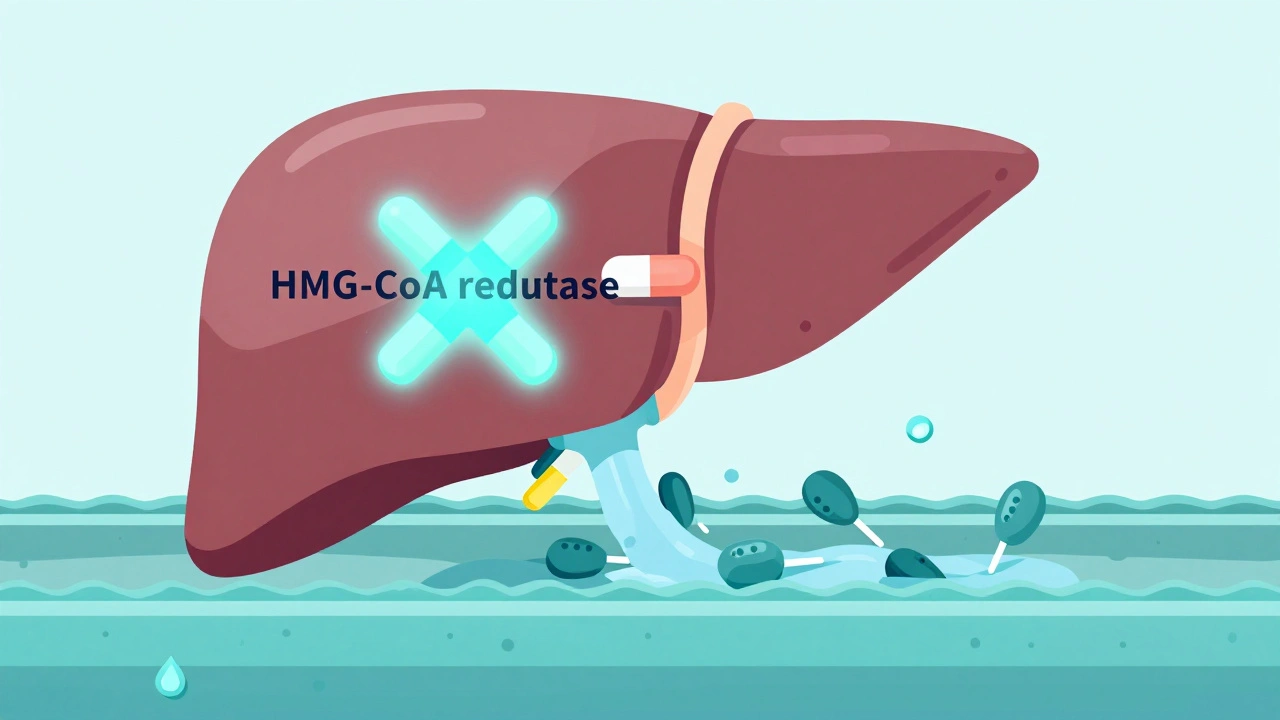
Statins are the first-line treatment for high cholesterol, but side effects affect many. Learn about proven alternatives like ezetimibe, PCSK9 inhibitors, and inclisiran - how they work, who they’re for, and how they compare.
Dec, 7 2025