
LDL Lowering: What Works, What Doesn’t, and How to Stay Safe
When you hear LDL lowering, the process of reducing low-density lipoprotein cholesterol to cut heart disease risk, you’re not just talking about numbers on a lab report—you’re talking about preventing heart attacks, strokes, and years of restricted living. High LDL, often called "bad" cholesterol, builds up in your arteries like rust in a pipe. Left unchecked, it leads to blockages that can kill. But here’s the thing: not all LDL-lowering methods are created equal. Some work fast, some work slow, and some don’t work at all—or worse, cause harm.
Statins, a class of drugs that block cholesterol production in the liver are the most common tool doctors reach for. Drugs like atorvastatin and rosuvastatin don’t just nudge LDL down—they drop it by 30% to 60%, and studies show they cut heart attack risk by nearly half in high-risk people. But they’re not the only option. Ezetimibe, a non-statin pill that reduces cholesterol absorption in the gut is often added when statins alone aren’t enough. And for those who can’t take statins at all, newer injectables like PCSK9 inhibitors, monoclonal antibodies that help the liver remove LDL from the blood can slash LDL by 50% or more. These aren’t magic bullets—they’re expensive, require injections, and need careful monitoring. But for some, they’re the only path forward.
Still, medication isn’t the whole story. Triglycerides, another type of fat in the blood that often rides alongside high LDL, respond strongly to diet and movement. Cutting sugar, refined carbs, and alcohol can drop triglycerides fast—and that helps LDL behave better too. Regular walking, even 30 minutes a day, improves how your body handles fat. And while fiber supplements like psyllium help, real food—oats, beans, apples, flaxseeds—works better and costs less. The truth? You can’t out-supplement a bad diet. And you can’t out-exercise a diet full of processed junk.
What doesn’t work? Miracle supplements promising "natural cholesterol drops." Red yeast rice sounds like a smart alternative to statins—but it contains the same active compound, and without regulation, doses vary dangerously. Garlic pills? No real effect. Fish oil? Great for triglycerides, but barely moves LDL. And don’t assume that if your LDL is "only a little high," you’re fine. Even small, long-term elevations silently damage your arteries. The goal isn’t to hit a number—it’s to protect your heart for decades.
What you’ll find below are real, practical guides from people who’ve been there: how to handle statin side effects, why some people see no change despite taking meds, how to tell if your cholesterol-lowering plan is working, and what to ask your doctor when you’re not getting answers. No theory. No fluff. Just what helps—and what doesn’t—when it comes to lowering LDL safely and for good.
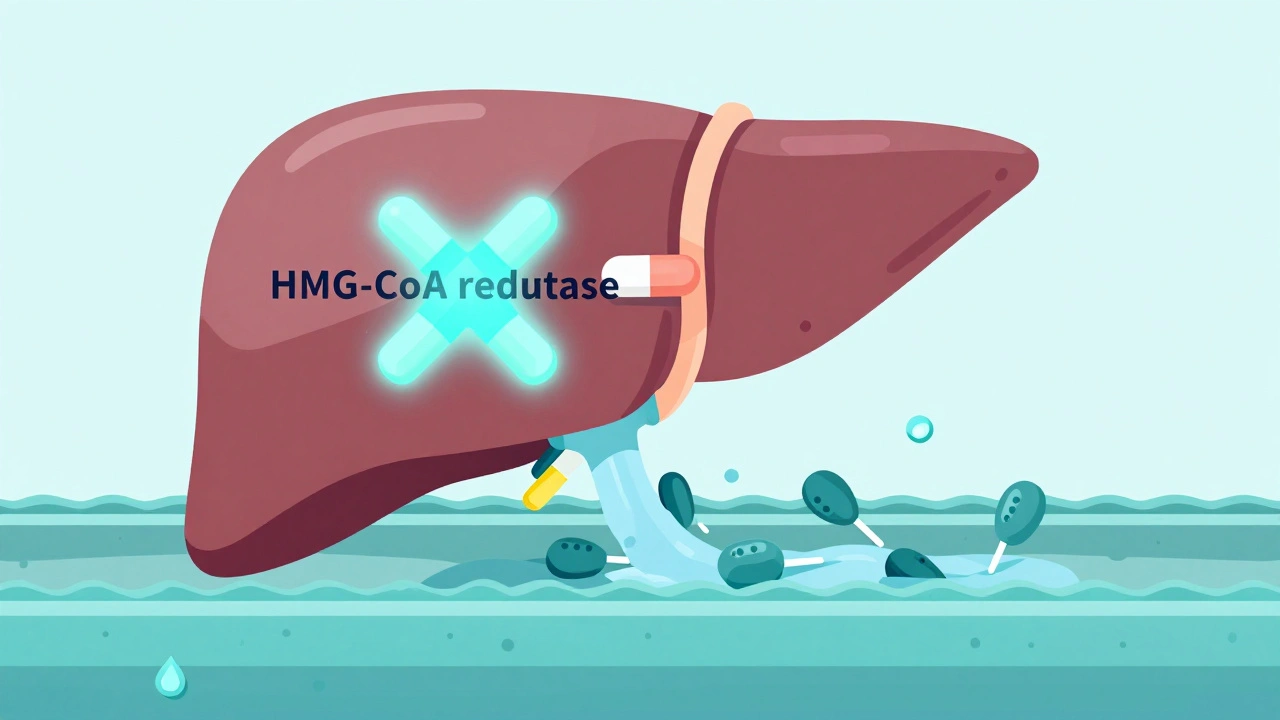
Statins are the first-line treatment for high cholesterol, but side effects affect many. Learn about proven alternatives like ezetimibe, PCSK9 inhibitors, and inclisiran - how they work, who they’re for, and how they compare.
Dec, 7 2025