
Generic Drug Approval: What It Really Means and Why It Matters
When you hear generic drug approval, the process by which the FDA confirms a generic medication is therapeutically equivalent to its brand-name counterpart. Also known as bioequivalence approval, it's the gatekeeper that lets affordable versions of life-saving drugs reach pharmacy shelves. This isn’t about cutting corners—it’s about making sure a pill made by a different company delivers the same result, at a fraction of the cost. The FDA doesn’t just check the ingredients. It demands proof that the generic drug releases the same amount of medicine into your bloodstream at the same speed as the brand. No guesswork. No exceptions.
Behind every approved generic is the Hatch-Waxman Act, a 1984 law that balanced innovation with access by letting generic makers rely on the brand’s safety data instead of redoing all clinical trials. That’s how generics hit the market fast—sometimes within months of a brand’s patent expiring. But here’s the catch: not all generics are treated the same. For drugs with a narrow therapeutic index, medications where tiny differences in dosage can cause serious harm, like warfarin or levothyroxine. even small changes in how the drug is made can matter. That’s why some states block automatic substitution for these drugs. And while the FDA approves them, real-world quality issues like inconsistent dosing, contamination, or tablet capping still show up—especially when manufacturing shifts overseas or corners get cut to save pennies.
Then there’s the business side. Big pharma doesn’t always welcome competition. Tactics like pay-for-delay, where brand companies pay generics to stay off the market. and product hopping—slightly changing a drug just to reset the patent clock—delay cheaper options for years. These aren’t accidents. They’re legal strategies that keep prices high. Meanwhile, patients pay more, insurers get squeezed, and the whole system loses. But when generics do get approved and actually reach shelves? Prices drop fast. Often by 80%. That’s not theory. That’s data from real market shifts after first generic entry.
What you’ll find below isn’t just a list of articles. It’s a clear-eyed look at how generic drug approval works in practice—where it succeeds, where it fails, and what you can do to protect yourself. From how your doctor’s words shape whether you trust a generic, to why some states block substitutions, to how manufacturing flaws slip through—every post here ties back to one thing: making sure your medicine works, safely, and affordably.
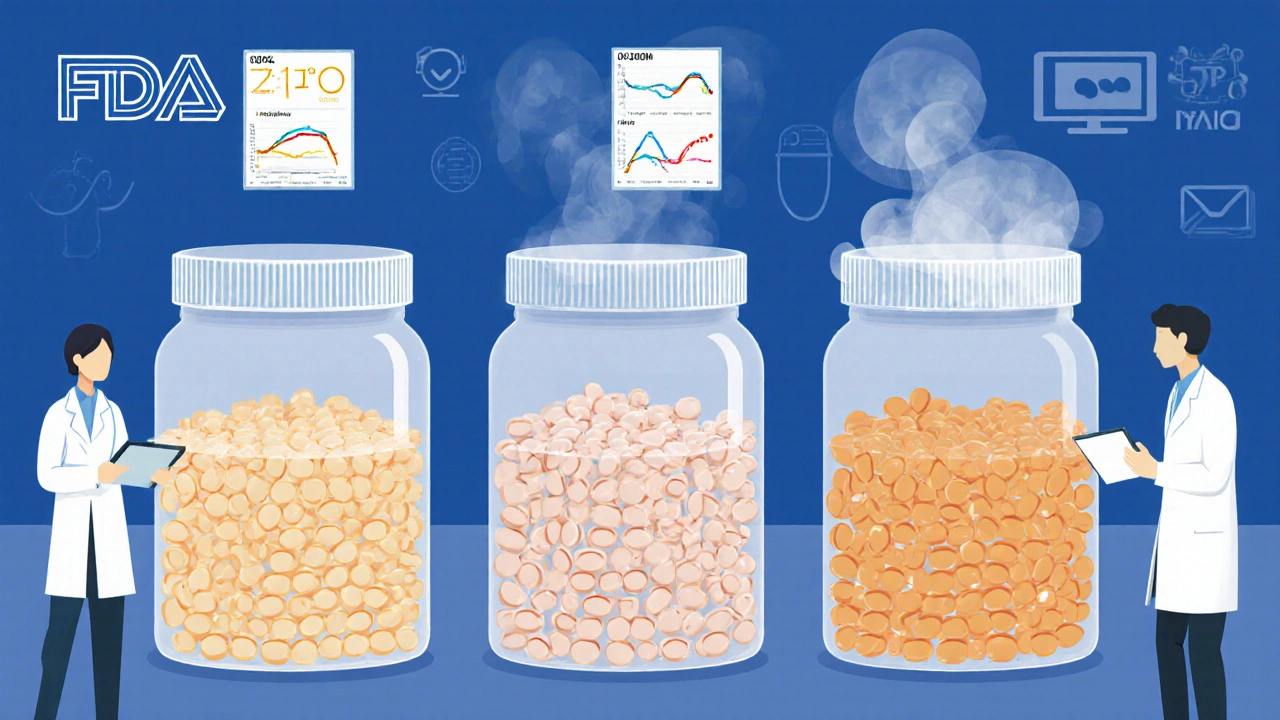
Learn the FDA's exact stability testing requirements for generic drugs, including batch sizes, testing timelines, common failures, and 2025 updates. Understand why stability data is the #1 reason ANDAs get rejected.
Nov, 28 2025