
Deprescribe: Safe Ways to Stop Unnecessary Medications
When you take too many pills, it’s not always helping you—it might be hurting you. Deprescribe, the practice of carefully stopping medications that are no longer needed or may be doing more harm than good. Also known as medication reduction, it’s not about quitting drugs cold turkey—it’s about making smart, guided choices to protect your body and your quality of life. Many people, especially older adults, end up on a long list of prescriptions over time, each added for a different condition. But few ever stop to ask: Do I still need all of these? The answer, more often than not, is no.
Polypharmacy, taking five or more medications at once. Also known as drug burden, it’s a silent problem that increases the risk of falls, confusion, kidney stress, and dangerous interactions. Think about someone on blood pressure meds, a statin, a painkiller, an acid reducer, and an antidepressant—all prescribed by different doctors, none reviewed together. That’s polypharmacy in action. And it’s not rare. One in four adults over 65 takes ten or more medications. Drug withdrawal, the process of safely reducing or stopping a medication under medical supervision. Also known as tapering, it’s the key to deprescribing without triggering rebound effects or worsening symptoms. You can’t just stop an SSRI, a steroid, or a blood thinner on your own. But you can ask your doctor: Is this still necessary?
Deprescribing isn’t just about cutting pills—it’s about restoring balance. It’s what happens when you realize that a drug meant to treat one problem is causing another. Like how long-term proton pump inhibitors can lead to nutrient loss and bone thinning, or how sleeping pills increase fall risk in seniors. Or how an old antibiotic prescription, kept "just in case," adds unnecessary weight to your daily routine. The goal isn’t to be drug-free—it’s to be rightly medicated. You deserve a regimen that fits your life, not one that controls it.
Every post in this collection ties back to this simple idea: sometimes, less is more. You’ll find real examples of when stopping a drug made someone healthier—like reducing antipsychotics in dementia patients, or safely weaning off benzodiazepines after years of use. You’ll see how doctors use checklists, guidelines, and patient input to make these calls. You’ll learn how to spot red flags in your own med list, what questions to ask at your next appointment, and how to track symptoms as you taper. This isn’t theory. It’s practice. And it’s happening every day in clinics, pharmacies, and homes across the country.
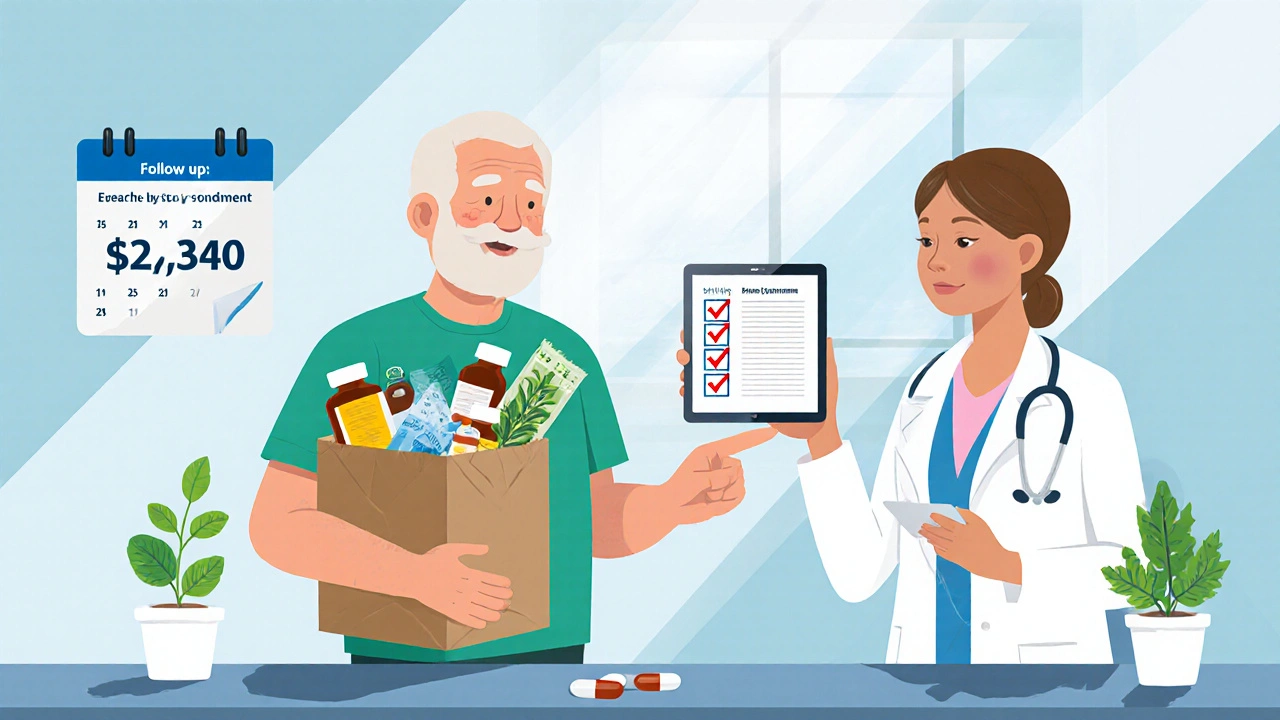
Learn how to work with your doctor to safely stop unnecessary medications, cut prescription costs, and avoid dangerous side effects. Real savings, real steps, no fluff.
Nov, 27 2025