
What Is Medication Adherence vs. Compliance and Why It Matters
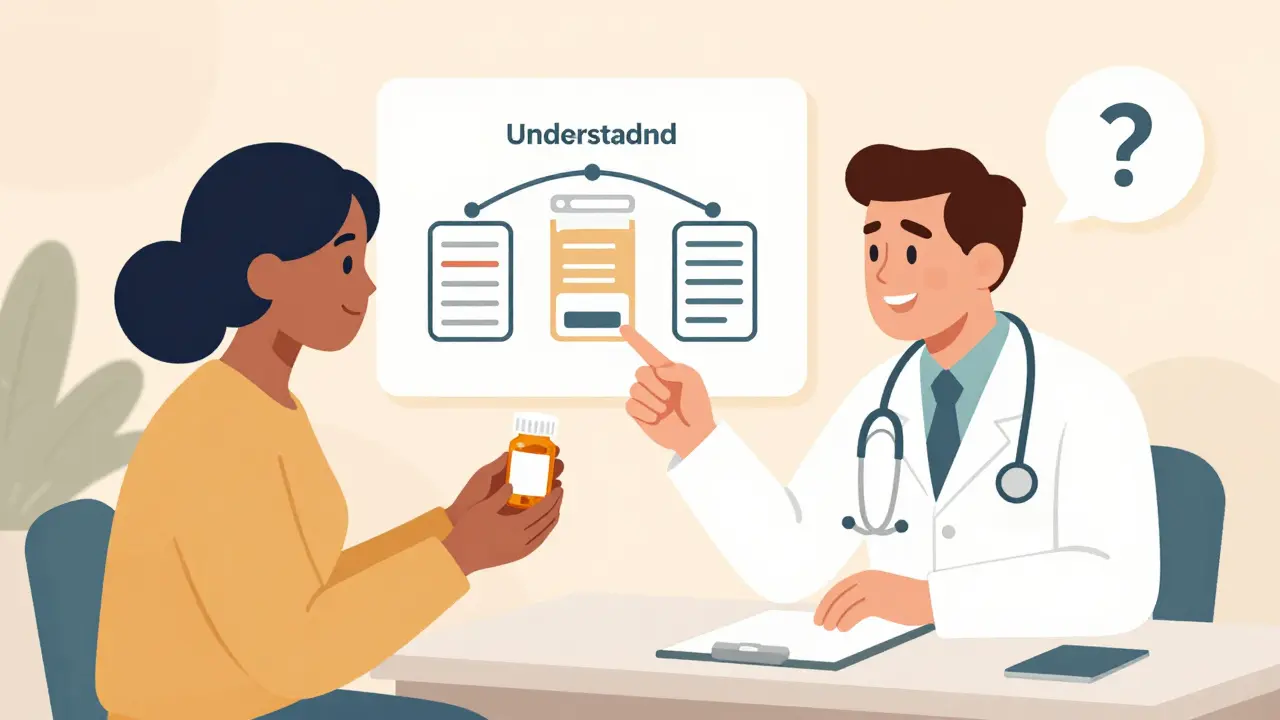
Medication adherence isn’t just about taking your pills-it’s about being part of the decision
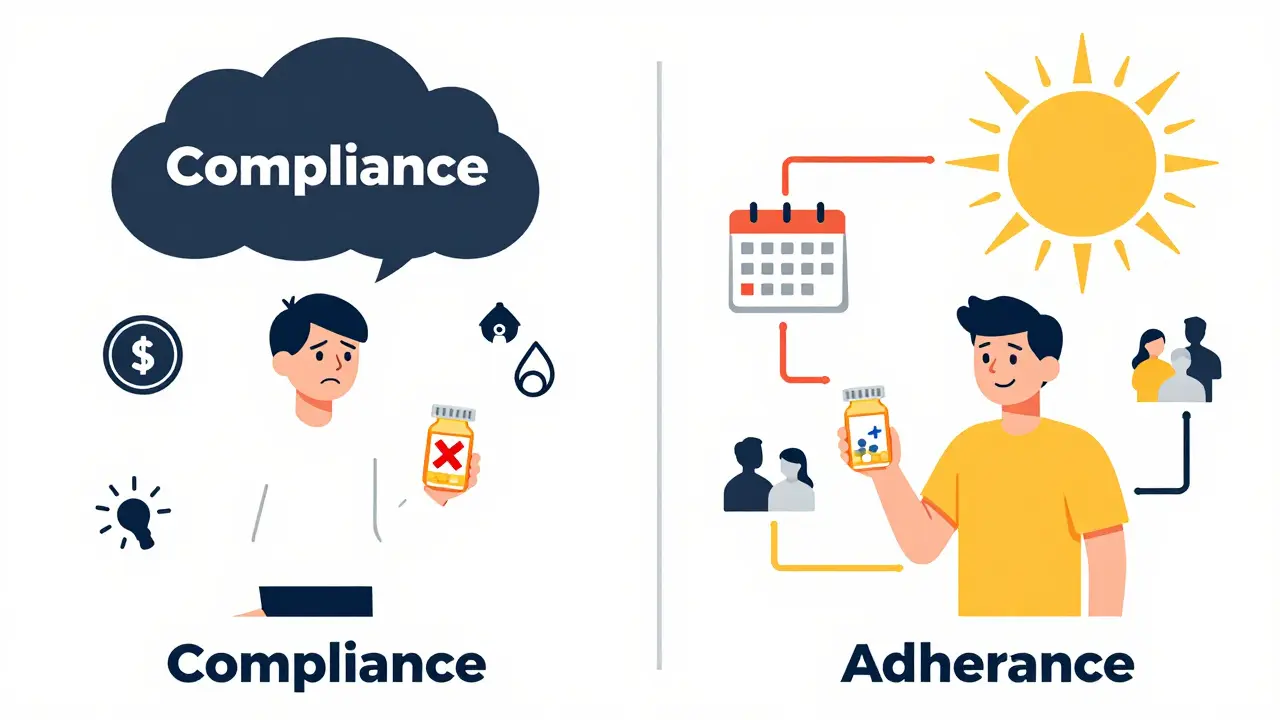
Most people think if they swallow their pills, they’re doing their part. But what if you’re taking them because you’re scared of your doctor, not because you believe in the plan? That’s compliance. And it doesn’t work well-especially for long-term conditions. Medication adherence is different. It means you’ve agreed to the plan, you understand why it matters, and you’re choosing to stick with it-even when it’s hard. The difference isn’t just semantics. It’s the difference between a treatment that fails and one that saves your life.
Compliance is outdated. Adherence is the new standard
For decades, doctors told patients what to do and expected them to follow orders. That’s compliance. You take the pill. You show up. You don’t ask questions. But by the early 2000s, research started showing this approach didn’t work. Half of people with high blood pressure, diabetes, or cholesterol stopped taking their meds within a year-not because they were lazy, but because they didn’t feel heard. The American Medical Association and World Health Organization pushed for a shift. They stopped saying “compliance.” They started saying “adherence.” Why? Because adherence treats you like a person, not a passive recipient.
How adherence works: It’s not just about pills
Adherence has three parts: starting the treatment, taking it right, and sticking with it. Most compliance checks only look at the middle part: Did you take the pill today? Adherence asks: Did you understand why you need it? Can you afford it? Do you have side effects you’re too scared to mention? Are you taking it at the same time every day because your schedule allows it? It’s not just about counting pills. It’s about understanding your life. A 2024 study from the AARDEx Group found that 68% of non-adherence isn’t accidental-it’s intentional. People skip doses because of cost, fear of side effects, or because the routine clashes with their work or family life. Adherence programs don’t blame them. They ask: What’s getting in the way?
How compliance fails real people
Compliance assumes patients are either obedient or disobedient. If you miss a dose, you’re labeled non-compliant. That label sticks. It makes you feel guilty. It makes doctors assume you’re not trying. But here’s the truth: a patient who skips a dose because they can’t afford it isn’t being defiant-they’re being practical. A 2023 Fresenius Medical Care analysis called compliance a “one-way street.” The provider talks. The patient listens. No feedback loop. No adjustment. No empathy. In a hospital setting, like with tuberculosis, direct observation (DOT) still makes sense. But for chronic conditions? It’s like trying to fix a leaky roof by yelling at the rain.
Why adherence works better-by the numbers
Studies show patients who are engaged in their care are 2.57 times more likely to stick with their meds. When providers use motivational interviewing-asking open-ended questions like “What’s been hard about taking this medicine?”-adherence rates jump by 37.6%. Kaiser Permanente tested a smart pill dispenser called Hero Health. Missed doses dropped by 42%. Dose Packer’s tracking system improved medication possession ratios by nearly 29% across 12,000 patients. Why? Because these tools don’t just track. They connect. They give providers real-time insight into why someone isn’t taking their meds-not just that they aren’t.
Doctors are changing how they talk about meds
It’s not just patients who need to change. Doctors do too. A 2023 study from the American Academy of Family Physicians found that shifting from compliance to adherence requires 15 to 25 extra minutes per visit. That’s hard in a system that rewards speed. But it’s worth it. The Agency for Healthcare Research and Quality found adherence-focused care leads to 20-50% better outcomes. The American Medical Association even created new billing codes in 2025 (99487-99489) so doctors can get paid for having these conversations. And it’s not just the U.S. The FDA and European Medicines Agency now require adherence data in clinical trials. The shift is official. It’s not a trend. It’s policy.
Technology is making adherence easier-without surveillance
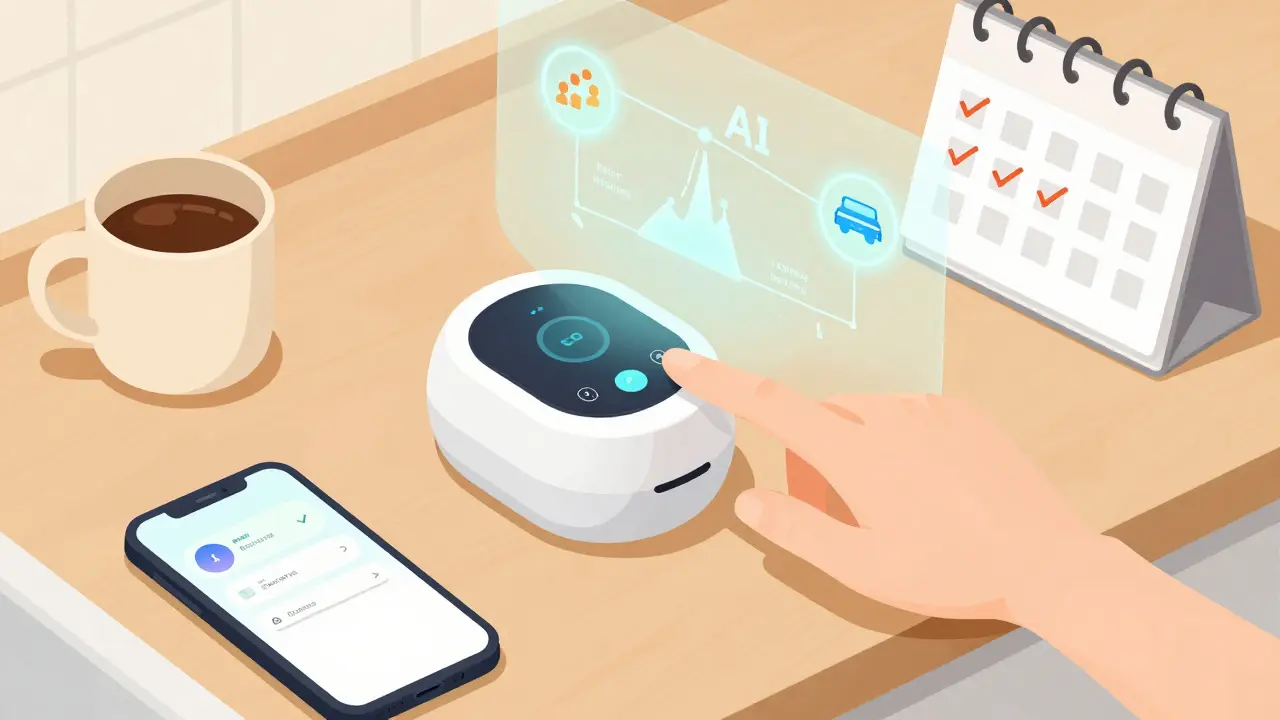
Smart pill bottles that log when they’re opened. Apps that send gentle reminders based on your schedule. AI tools that predict who’s at risk of skipping doses by analyzing income, transportation access, and even social media patterns. Google Health’s 2024 study showed algorithms can predict non-adherence with 83.7% accuracy by looking at 27 factors-not just whether you took your pill yesterday. These tools aren’t about catching you. They’re about helping you. They give providers a window into your life so they can adjust your plan-not punish you for it.
What’s stopping adherence from being everywhere?
Cost. Time. Bias. Many clinics still don’t have the staff or training to do adherence right. Some providers still see non-adherence as laziness. A 2023 HIMSS survey found 87% of major health systems have adopted adherence language, but correctional facilities? 63% still use compliance. Why? Because it’s easier to control than to collaborate. But the data doesn’t lie: adherence reduces hospital readmissions by 22-34% and cuts treatment costs by 18-27%. The Centers for Medicare & Medicaid Services now tie 8% of hospital payments to adherence metrics. That’s not a suggestion. It’s a financial incentive to do better.
What you can do right now
If you’re on meds long-term, ask yourself: Do I know why I’m taking this? Can I afford it? What’s making it hard? If you’re unsure, talk to your pharmacist. They’re trained in adherence strategies. Ask your doctor: “What’s the plan if this isn’t working?” Don’t wait for them to ask. Bring up side effects, cost, or schedule conflicts. You’re not being difficult-you’re being part of the solution. If your provider still talks about “compliance,” gently correct them: “I’m trying to be adherent. Can we talk about what’s getting in the way?”
The big picture: Why this matters beyond your medicine cabinet
By 2030, the World Health Organization estimates adherence-focused care could prevent 1 million premature deaths globally. In the U.S. alone, avoidable hospitalizations from poor medication use cost $300 billion a year. This isn’t about personal responsibility. It’s about system design. We’ve spent decades blaming patients. Now we’re learning to listen. Adherence isn’t perfect. But it’s the only model that treats people like humans-with real lives, real barriers, and real choices. And that’s why it’s the future.
What’s the difference between medication adherence and compliance?
Compliance means following orders without question-like a child doing what they’re told. Adherence means you’ve agreed to the plan, understand why it matters, and choose to follow it based on your own life and needs. Adherence recognizes your role as an active partner in care. Compliance sees you as a passive recipient.
How do I know if I’m adherent?
You’re considered adherent if you take at least 80% of your prescribed doses over time, according to the American Medical Association. But adherence is more than numbers. Ask yourself: Do I understand why I’m taking this? Can I afford it? Have I told my provider about side effects or schedule conflicts? If yes, you’re likely adherent-even if you’ve missed a dose or two.
Why do people stop taking their meds?
The top reasons aren’t laziness-they’re practical. Cost (38%), side effects (32%), forgetting (25%), and not feeling better (21%), according to WHO and APhA data. Many people stop because they don’t feel heard. Others can’t afford refills. Some think they don’t need it anymore once symptoms fade. Adherence programs tackle these barriers, not the person.
Can technology help me stay on track?
Yes. Smart pill dispensers like Hero Health or Dose Packer track when you open your meds and send reminders. Apps can sync with your calendar. AI tools can even predict when you’re likely to skip based on your habits. These aren’t surveillance tools-they’re support tools. They give your provider insight so they can adjust your plan, not punish you.
What should I ask my doctor about adherence?
Ask: “What’s the plan if this medication isn’t working for me?” “Can we talk about cost or side effects?” “Is there a simpler schedule?” “Can we adjust the dose or timing?” Don’t wait for them to ask. Bring up real-life barriers. Your doctor can’t help if they don’t know what’s going on.
Iona Jane
January 16, 2026 AT 05:18Sohan Jindal
January 16, 2026 AT 16:01Ayush Pareek
January 17, 2026 AT 09:10ellen adamina
January 17, 2026 AT 10:03Haley Graves
January 17, 2026 AT 18:14Jami Reynolds
January 17, 2026 AT 22:34Niki Van den Bossche
January 18, 2026 AT 02:16Mike Berrange
January 18, 2026 AT 23:56Frank Geurts
January 20, 2026 AT 14:05Nat Young
January 21, 2026 AT 16:10Nishant Garg
January 22, 2026 AT 11:39Jaspreet Kaur Chana
January 22, 2026 AT 21:36Diane Hendriks
January 24, 2026 AT 02:28