
Pharmacy Safety: Protect Yourself from Medication Risks and Errors
When you pick up a prescription, you trust that it’s safe, accurate, and right for you—but pharmacy safety, the system of checks, communication, and standards that prevent medication harm. Also known as medication safety, it’s the invisible layer between you and potentially dangerous mistakes. It’s not just about the pharmacist getting the right pill. It’s about whether your doctor knows your other meds, if the generic you got is truly equivalent, and if that new drug could wreck your liver when mixed with your daily supplement.
Pharmacy safety includes drug interactions, when two or more medications react in harmful ways inside your body, like grapefruit juice making your cholesterol drug toxic, or SSRIs and NSAIDs teaming up to cause a stomach bleed. It covers generic medication safety, the real-world risks behind cheaper pills, from manufacturing defects to inconsistent absorption. You might think generics are identical to brand names, but studies show even tiny differences in fillers or coatings can trigger seizures in epilepsy patients or cause thyroid levels to swing dangerously. And then there’s the boxed warning, the FDA’s strongest alert, printed in a black border to flag life-threatening risks. These don’t stay the same—they change as new data comes in. A drug you’ve taken for years might suddenly get a new warning, but your pharmacist won’t always call to tell you.
Pharmacy safety also means knowing when to ask questions. Is that free sample still good? Should you be worried about the lot number on your insulin? Can you really trust a compounded pill made in a small lab? These aren’t paranoid thoughts—they’re smart habits. People who track expiration dates, keep a written list of all their meds (including supplements), and speak up when something feels off are far less likely to end up in the ER because of a medication error. You don’t need to be a doctor to protect yourself. You just need to be informed and willing to push back when something doesn’t feel right.
Below, you’ll find real stories and hard facts about what goes wrong—and how to stop it before it happens. From antifungals that damage your liver to insulin biosimilars that save money but raise new concerns, these posts cut through the noise. No fluff. No jargon. Just what you need to know to make sure your meds are helping, not hurting.
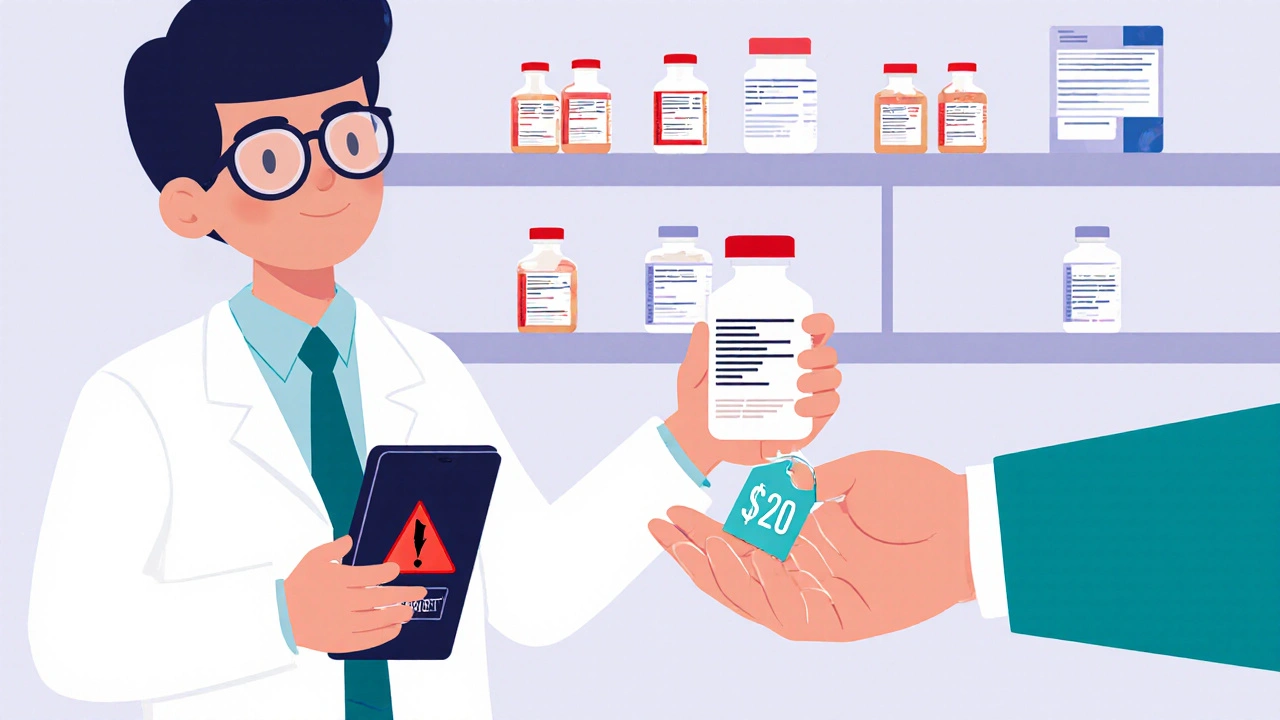
Pharmacists are the last line of defense against counterfeit drugs. Learn how modern training, AI tools, and global initiatives are helping them detect fake medications and protect patients from deadly fakes.
Nov, 26 2025