
Counterfeit Drugs: How to Spot Fake Medications and Stay Safe
When you buy medication, you expect it to work—and to be real. But counterfeit drugs, fake or illegally made versions of real medicines that can contain harmful substances or no active ingredient at all. Also known as fake medications, they’re sold through unlicensed online pharmacies, shady street vendors, or even disguised as legitimate products in some countries. These aren’t just scams—they’re dangerous. The FDA has found counterfeit versions of heart meds, antibiotics, cancer drugs, and even insulin that contain rat poison, floor cleaner, or chalk. People have ended up in the hospital—or worse—because they took something that looked like the real thing but wasn’t.
Counterfeit drugs often show up where oversight is weak: online marketplaces, international shipping, or when patients cut corners to save money. You might think generic drugs are the problem, but the issue isn’t generics themselves—it’s when fake manufacturers copy the packaging of real brands. Look at the pills: if the color, shape, or imprint looks off, or if the bottle feels cheap or the label has typos, that’s a red flag. generic drug defects, manufacturing errors like inconsistent dosing, capping, or contamination that happen even in legal facilities are different—they’re mistakes, not crimes. But counterfeiters don’t care about safety at all. They’re after profit, and they’ll put anything in a pill.
And it’s not just about what’s in the pill—it’s about what’s missing. Some fake drugs have no active ingredient at all. A patient taking counterfeit antibiotics for an infection might think they’re getting better, but the bacteria are still growing. Or worse, they’re exposed to low doses that help bacteria become resistant. That’s how superbugs spread. drug contamination, the presence of toxic substances like heavy metals, pesticides, or industrial chemicals in medications is another silent killer. One batch of fake erectile dysfunction pills was found to contain a powerful rat poison. Another batch of fake Adderall had methamphetamine mixed in. These aren’t rare cases—they’re reported every year.
There’s no foolproof way to spot every fake, but you can reduce your risk. Buy only from licensed pharmacies—check the website’s license number. Avoid deals that seem too good to be true. If you’re buying online, make sure the pharmacy requires a prescription and has a physical address you can verify. Keep your meds in their original packaging. If your doctor changes the pill’s appearance, ask why. And never take medication from a friend’s leftover bottle unless you’re sure it’s the same drug, dose, and batch.
What you’ll find below are real stories and facts from people who’ve been affected—by fake insulin, contaminated generics, and pills that did nothing. You’ll learn how to check your meds, what to do if you suspect a counterfeit, and how to report it. This isn’t theoretical. It’s about the pills in your cabinet right now—and whether they’re safe to take.
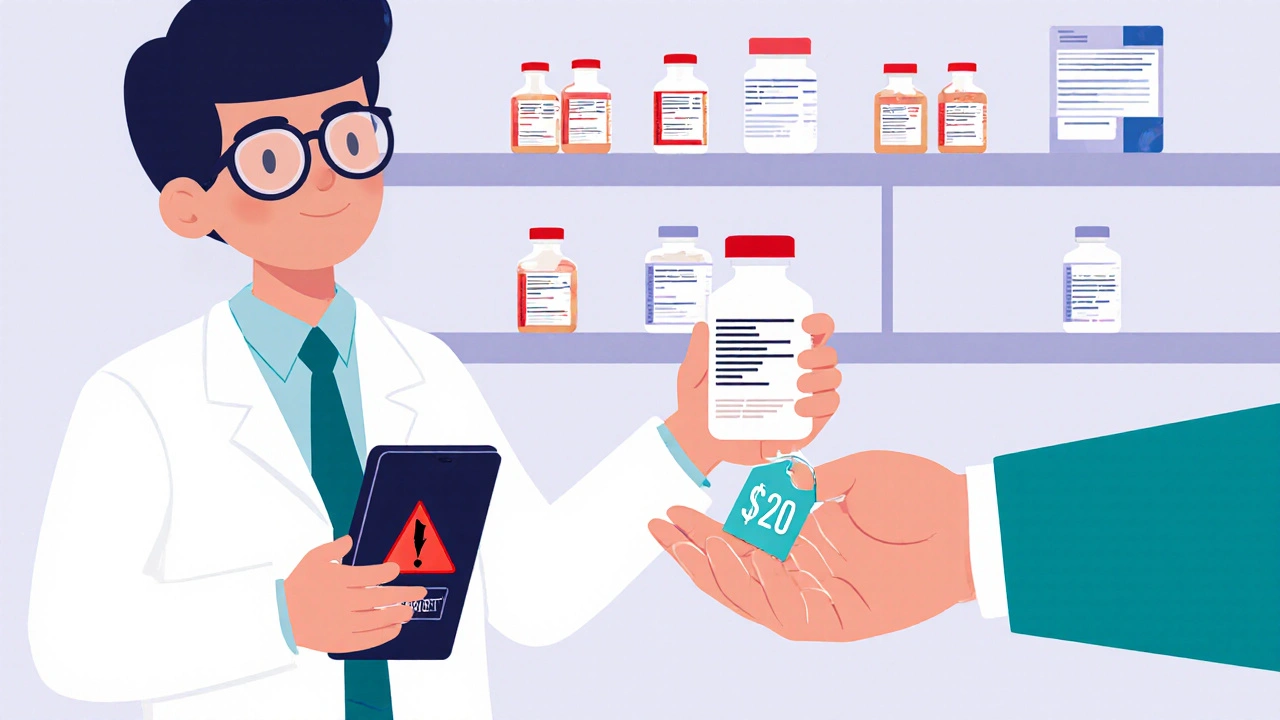
Pharmacists are the last line of defense against counterfeit drugs. Learn how modern training, AI tools, and global initiatives are helping them detect fake medications and protect patients from deadly fakes.
Nov, 26 2025