
Concussion Symptoms: What to Watch For and When to Seek Help
When you hit your head—whether from a fall, a car crash, or a sports tackle—the real danger isn’t always the bump itself. It’s what happens inside your brain. A concussion, a type of mild traumatic brain injury caused by a blow or jolt to the head. Also known as mild traumatic brain injury, it doesn’t always show up on X-rays or MRIs, but it can change how you think, feel, and move. You don’t need to lose consciousness to have one. In fact, most people with concussions never pass out. The real red flags are subtle: a headache that won’t quit, feeling foggy, trouble focusing, or nausea that shows up hours later.
Concussion symptoms can show up right away—or they can hide for a day or two. That’s why it’s dangerous to brush off a head injury with "I’m fine." post-concussion syndrome, a condition where symptoms like dizziness, fatigue, and trouble concentrating last for weeks or months after the initial injury affects up to 30% of people, especially if they return to activity too soon. Kids and older adults are more vulnerable. A child who seems sleepy after a fall might not be just tired—they could be showing early signs of brain swelling. An older adult who stumbles after a minor slip might not have a bad ankle—they might have a brain injury that’s gone unnoticed.
It’s not just about the immediate symptoms. A second hit before the first one heals can lead to second impact syndrome, a rare but deadly condition where the brain swells rapidly after a second trauma before the first has healed. That’s why rest isn’t optional—it’s life-saving. Even if you feel okay, your brain is still healing. Ignoring symptoms or pushing through can turn a simple bump into a long-term problem.
What you’ll find below are real, practical guides that cover everything from spotting concussion signs in kids to understanding why some people take weeks to recover while others bounce back fast. You’ll learn how to tell the difference between a bad headache and a brain injury, what tests doctors actually use, and how to avoid the mistakes that make recovery harder. These aren’t theory pieces—they’re based on what people actually experience and what medical professionals recommend when it matters most. If you or someone you care about took a hit to the head, this is the info you need to act fast—and stay safe.
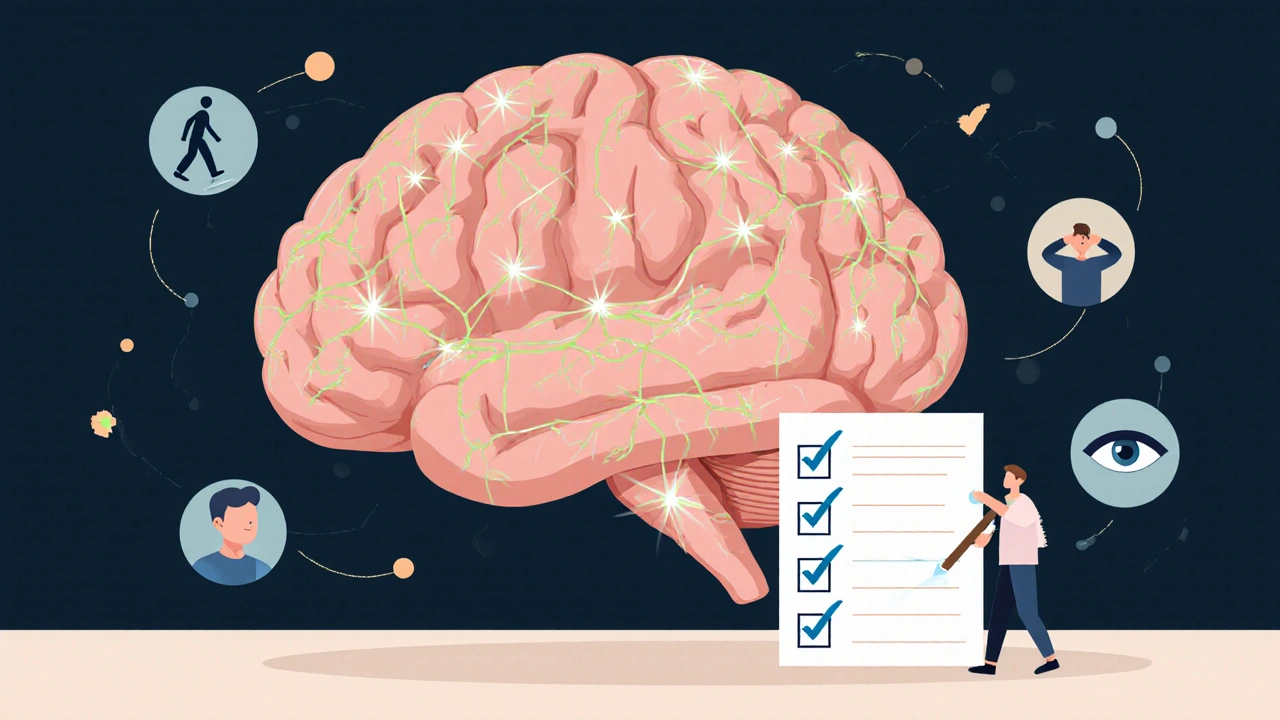
Post-concussion syndrome can last months or longer after a head injury. Learn the real recovery timeline, what treatments actually work, and why rest alone isn't enough. Evidence-based guidance for lasting recovery.
Nov, 23 2025