
SGLT2 Inhibitors and Yeast Infections: Urinary Complications Explained
SGLT2 Inhibitor Risk Assessment Tool
Infection Risk Calculator
Based on the validated 5-point risk scoring system discussed in current clinical guidelines.
Your Risk Assessment
Select your factors and click calculate to see your susceptibility profile.
Medical Disclaimer
This tool is for educational purposes only and should not replace professional medical advice. If you experience symptoms of severe infection (fever, kidney pain, back pain), seek immediate medical attention.
Imagine you have been prescribed a powerful tool to protect your heart and kidneys, but every time you take it, you are essentially feeding the bugs that live around your genitals. That is the exact trade-off with SGLT2 Inhibitors, a class of diabetes medications that lower blood sugar by dumping excess glucose into your urine. You see names like Jardiance, Farxiga, or Invokana everywhere today because they save lives, specifically regarding heart failure. However, there is a catch. Your urine becomes sugar water, and that sweet environment loves to grow fungus and bacteria. If you are thinking about starting these pills, you need to know exactly what kind of complications we are talking about before you swallow that first tablet.
How These Drugs Create a Perfect Storm for Infection
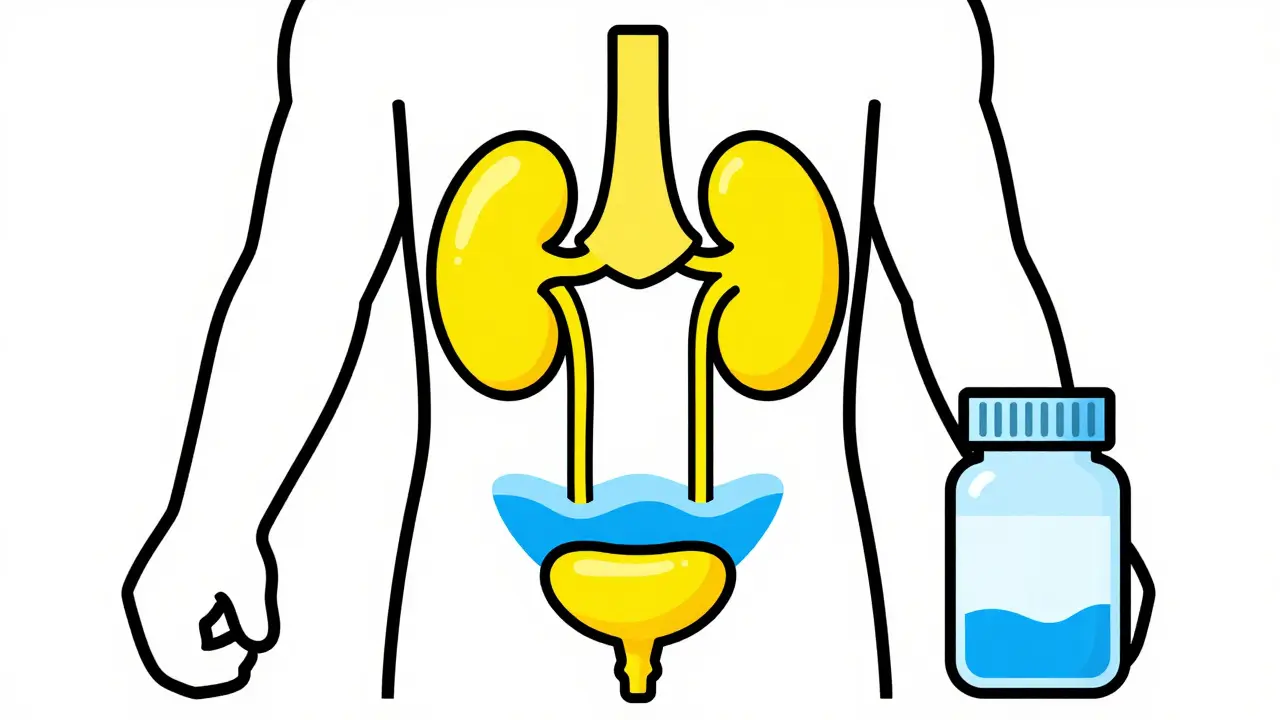
To understand why infections happen, you have to look at the mechanism. Most diabetes meds try to fix how insulin works. SGLT2 Inhibitors work differently. They block a transporter protein in your kidney called Sodium-Glucose Cotransporter-2. When you stop that protein from working, your body can't reabsorb glucose back into the bloodstream from your urine filter. Instead, that sugar gets flushed out.
The numbers here are staggering. Depending on which pill you take and the dosage, you might dump between 40 and 110 grams of pure sugar into your bladder every single day. For comparison, a regular soda has maybe 30 grams. So, you are bathing your urinary tract and genital area in a sugary solution constantly. Bacteria like E. coli and fungi like Candida thrive on sugar. When you flood their habitat with food, they multiply rapidly. This isn't just a theory; clinical trials from the CANVAS program and EMPA-REG OUTCOME study confirmed this mechanism directly causes higher rates of genitourinary infections.
Common vs. Severe Complications: What to Expect
Most patients experience mild issues, often dismissed as minor irritations. Women are more prone to Vulvovaginal Candidiasis, commonly known as yeast infections. Men face similar issues, manifesting as balanitis on the glans of the penis. These are annoying, itchy, and uncomfortable, occurring in about 3% to 5% of users compared to less than 2% in placebo groups.
However, the danger zone lies deeper. We aren't just talking about itching; we are talking about bacterial overgrowth leading to complicated urinary tract infections (UTIs). A meta-analysis published in Pharmacology Research & Perspectives in 2022 found that SGLT2 inhibitors increase the risk of UTIs by roughly 1.78 times compared to other diabetes drugs. While that ratio sounds high, the absolute risk is still relatively low for healthy individuals. The real concern is when a simple UTI goes untreated and progresses to urosepsis, where the infection enters the bloodstream.
Regulatory bodies like the FDA tracked definite cases of urosepsis associated with these drugs. Between 2013 and 2014 alone, they identified 19 cases requiring hospitalization. Some of these infections were severe enough to require ICU admission or even hemodialysis because of acute kidney injury. There was also a documented case of emphysematous pyelonephritis-a gas-forming bacterial infection of the kidney-that required surgery because the patient was on dapagliflozin. These scenarios remind us that a simple itch can signal a much larger problem.

Risk Factors: Are You More Vulnerable?
Not everyone who takes this medication gets an infection. In fact, many people take these drugs for years without issue. However, certain factors tip the scales significantly. If you have a history of recurrent urinary tract infections, your odds go up. Being female increases susceptibility due to shorter urethras, while being male might lead to different presentation patterns. Age is another major variable; older adults typically see higher rates of complications.
| Factor | Risk Level | Reason |
|---|---|---|
| Female Sex | High | Anatomical differences increase vulnerability to ascending infections. |
| Prior UTI History | Very High | Previous colonization makes recurrence likely with glycosuria. |
| Uncontrolled High Sugar | Moderate | HbA1c above 8.5% correlates with higher infection risk scores. |
| Circumcision Status (Men) | Moderate | Uncircumcised men have slightly higher risk of balanitis. |
| Low Kidney Function | Moderate | eGFR below 60 may alter drug metabolism and immune response. |
A validated risk score developed in 2024 identifies a 5-point system to spot these high-risk patients. It weighs age over 65, female gender, HbA1c levels above 8.5%, prior history of UTIs, and reduced kidney function (eGFR less than 60). If you hit four or five of these boxes, the absolute risk of a complicated infection jumps above 15%. Doctors should know this when prescribing, but you should know it too.
Comparing Infection Risks Across Diabetes Drugs
If you are worried about infections, you might wonder if other diabetes medications are safer. Generally, yes. Classes like DPP-4 inhibitors or GLP-1 receptor agonists do not force sugar into the urine, so they carry significantly lower risks for fungal or bacterial growth in those areas. One comparative study showed a nearly 4-fold increase in genital infections with SGLT2 inhibitors compared to sulfonylureas. However, SGLT2 inhibitors offer something those other drugs don't: significant heart and kidney protection. Many patients keep taking them despite the infection risk because the cardiovascular benefits outweigh the nuisance of occasional yeast treatments.
Management and Prevention Strategies
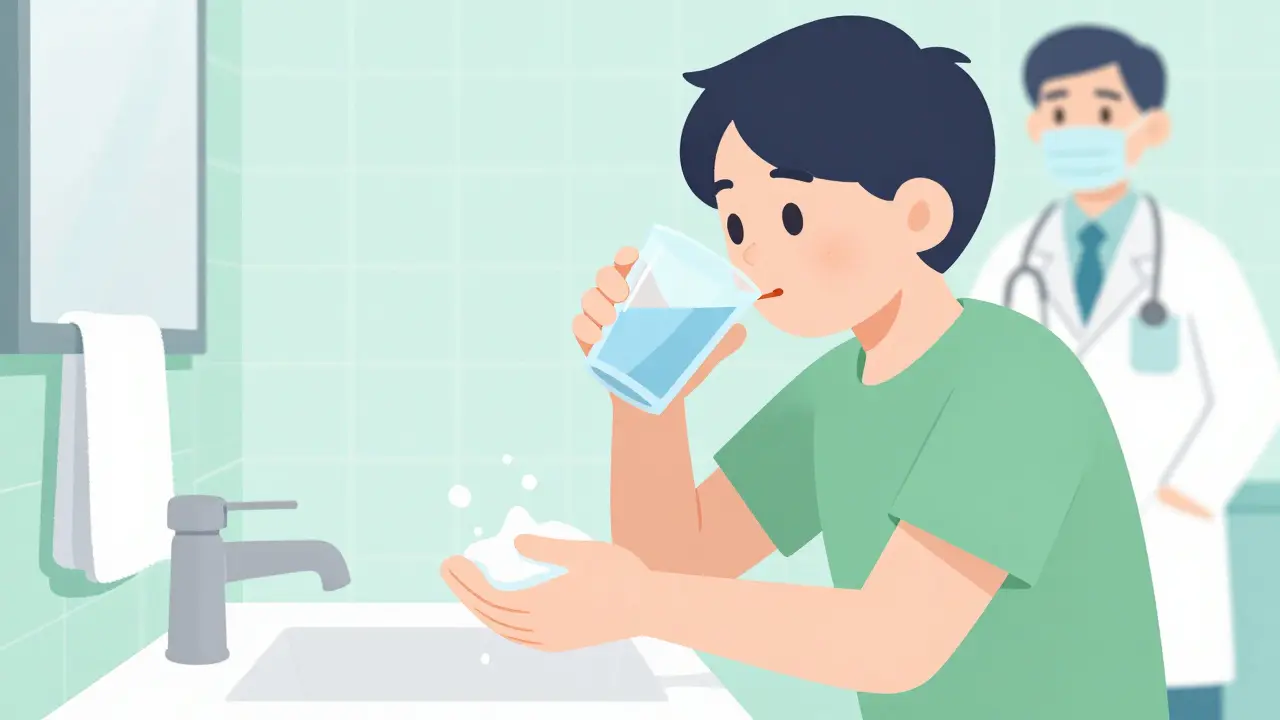
You don't necessarily have to stop the medication to manage the risk. Most side effects appear within the first few months of starting therapy. Once your body adjusts, the frequency often drops. Good hygiene is non-negotiable here. Wash frequently after using the restroom, especially if you notice discharge or irritation. Staying hydrated helps flush out the sugar-laden urine, preventing prolonged exposure of bacteria to the urinary lining.
There is emerging evidence suggesting cranberry products might help reduce the incidence of UTIs in users of these drugs by nearly 30%. While this remains off-label advice, some clinicians recommend it prophylactically. If you feel a burning sensation, a fever above 100.4°F, or general malaise, do not wait. Delayed treatment leads to rapid progression toward serious infection. Immediate medical attention is critical if you experience redness or swelling near the genitals extending back towards the rectum.
Frequently Asked Questions
Do SGLT2 inhibitors cause long-term damage if I get an infection?
In most cases, no. Standard yeast infections are temporary and resolve with antifungal creams. However, recurrent severe UTIs can occasionally lead to kidney damage or sepsis if left untreated, which is why prompt medical intervention is essential.
Can men get yeast infections from these medications?
Yes, although less common than in women. Men often develop balanitis, which affects the head of the penis, causing redness, rash, and discomfort.
Which SGLT2 inhibitor has the lowest risk of infection?
Current data suggests that all agents in the class (canagliflozin, dapagliflozin, empagliflozin, ertugliflozin) share similar mechanisms of action, resulting in comparable infection profiles across the board.
Should I stop taking my medication if I develop symptoms?
You should consult your doctor before stopping. For minor irritations, treatment with antifungals allows you to continue the heart-protective benefits. Stop only if signs of severe infection like high fever or kidney pain occur.
How quickly do yeast infections appear after starting treatment?
Symptoms typically present within the first few months of therapy. Most new infections occur during the initial adjustment period rather than years later.
Amber Armstrong
March 30, 2026 AT 21:06I really worry about women in my family who are prescribed these pills without knowing the hygiene requirements.
Everyone talks about the heart health benefits but nobody emphasizes the genital care part enough.
It feels like a silent requirement that doctors expect us to figure out on our own.
We need better education on washing routines after using the restroom constantly.
The anxiety of waiting for an itch to appear makes me feel terrible every day.
Somehow the discomfort outweighs the peace of mind from blood sugar control sometimes.
Sharing stories like this helps other women realize they aren't alone in this struggle.
I hope more clinics offer pamphlets specifically detailing how to prevent these fungal outbreaks.
Community awareness is the best defense against these embarrassing complications occurring unexpectedly.
Thank you for putting this information out there for everyone to read.
Victor Ortiz
March 31, 2026 AT 17:37Your concerns are misplaced because the statistical risk is negligible for most populations.
Christopher Curcio
March 31, 2026 AT 23:32The pathophysiology involves direct hyperglycosuria facilitating microbial proliferation within the genitourinary mucosa.
Clinical data demonstrates a clear correlation between glycosuric load and Candida albicans colonization rates.
Frequent micturition events increase exposure time for dermatological contact with infected fluids.
This creates a sustained environment conducive to biofilm formation on epithelial surfaces.
Risk stratification models indicate significant variance based on baseline renal clearance metrics.
Evaluation of eGFR alongside HbA1c levels provides superior predictive capability for infection onset.
Prophylactic interventions should target lowering local glucose concentrations rather than systemic suppression alone.
Calvin H
April 2, 2026 AT 07:06Nobody actually wants to discuss how to clean up properly instead of blaming the pill.
Dan Stoof
April 3, 2026 AT 23:08Let us remember that the cardiovascular protection is absolutely amazing!
These medicines are saving so many lives from heart failure every single day!
We should not fear a little rash when a big organ failure is stopped.
Optimism helps us manage the side effects better than negative thinking ever could!
Stay positive and hydrate well!
Angel Ahumada
April 5, 2026 AT 13:23the human body seeks homeostasis and we disrupt it with chemical interference
yet we cling to the illusion of control through pharmaceutical intervention
is this not the ultimate irony of modern medicine seeking to cure by causing imbalance
we become dependent on managing the damage created by the solution itself
perhaps true health lies elsewhere outside these rigid clinical frameworks
emma ruth rodriguez
April 6, 2026 AT 01:04Prompt medical attention is required upon observing fever or localized swelling near the rectum area.
Delayed treatment correlates strongly with progression toward serious septic complications requiring hospitalization.
Patients must monitor temperature readings carefully during the initial therapy adjustment period.
Hemodialysis may become necessary if acute kidney injury occurs secondary to severe infection.
Ruth Wambui
April 7, 2026 AT 15:48Big Pharma does not want you to know the truth about why these sugars end up in your bladder.
They push the heart benefits while hiding the fact that your body gets poisoned from the inside out.
Follow the money trail behind the CANVAS program and see who really benefits from sick patients staying on meds.
dPhanen DhrubRaaj
April 8, 2026 AT 19:34In India we often face similar challenges with traditional remedies versus new science.
The balance is hard to find.
Health is wealth but cost is also important.
William Rhodes
April 9, 2026 AT 13:21You must fight for your health aggressively against these odds!
The body can recover if you stay vigilant!
Never let a minor symptom drag you down into despair!
Push through the difficulty with strength of spirit!
Adryan Brown
April 9, 2026 AT 20:26The trade off is definitely worth the cardiovascular protection most patients receive.
People often forget that heart failure kills far more than yeast ever could.
It is essential to maintain a balanced perspective when evaluating medication risks.
Many individuals stop taking their medicine because they fear minor itching issues.
We know from long term studies that survival rates improve significantly with these drugs.
A little irritation now prevents a catastrophic event down the road later.
Patients need to understand the difference between nuisance symptoms and genuine danger zones.
Hygiene plays a massive role in mitigating the unwanted bacterial growth effectively.
Staying hydrated helps flush out the excess sugar before it causes problems too.
Doctors should explain this balance clearly so patients do not panic unnecessarily.
Anxiety over side effects can lead to poor glycemic control which is much worse.
Monitoring kidney function provides another layer of safety for everyone involved here.
Regular checkups ensure any early warning signs get caught before they escalate further.
Community support also helps people manage the emotional toll of chronic conditions well.
Ultimately the goal remains preserving quality life years without sacrificing longevity.
Carolyn Kask
April 10, 2026 AT 12:50The FDA knows exactly what they are approving and we Americans deserve better oversight than this.
Foreign markets handle these drug approvals with much more caution regarding safety profiles.
Why are our healthcare standards so lax compared to international regulatory bodies?
We should demand stricter testing before allowing sugar dumping into our system again.