
OTC Allergy Relief: How to Choose the Right Antihistamine and Dosage

Waking up with a scratchy throat, itchy eyes, and a nose that won't stop running is a nightmare, especially when you have a full day of work or school ahead. For the 81 million people in the U.S. dealing with these symptoms every year, the pharmacy aisle can feel like a maze of confusing brand names and chemical jargon. You just want to know which pill will stop the sneezing without making you fall asleep at your desk. Finding the right OTC allergy relief isn't about picking the most expensive box; it's about matching the drug's specific chemistry to your symptoms and your daily schedule.
The Basics: What Exactly are Antihistamines?
To understand how to pick a medicine, you first need to know what you're fighting. When you encounter a trigger-like pollen or pet dander-your immune system overreacts and releases Histamine is a chemical compound that binds to H1 receptors in your body, causing blood vessels to expand and mucus production to increase. This is what creates that miserable feeling of congestion and itching.
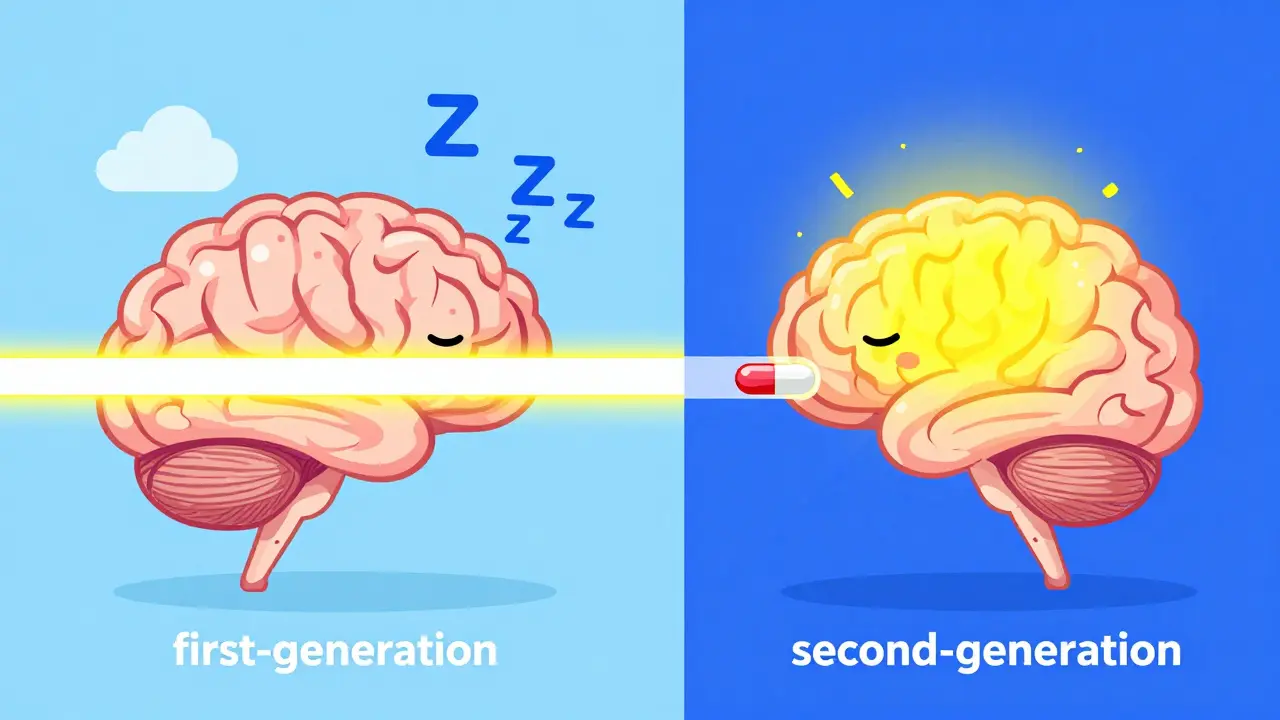
Antihistamines work by blocking these receptors. However, not all blockers are created equal. They are generally split into two camps: first-generation and second-generation. The main difference is how they interact with your brain. First-gen drugs cross the blood-brain barrier easily, which is why they make you sleepy. Second-gen drugs are designed to stay out of the brain, providing relief without the "brain fog."
| Active Ingredient | Common Brand | Onset Speed | Sedation Level | Duration |
|---|---|---|---|---|
| Diphenhydramine | Benadryl | 15-30 Mins | High (50% of users) | 4-6 Hours |
| Cetirizine | Zyrtec | ~1 Hour | Moderate (10-15%) | 24 Hours |
| Loratadine | Claritin | 2-3 Hours | Low (5-10%) | 24 Hours |
| Fexofenadine | Allegra | 2-3 Hours | Very Low (2-5%) | 24 Hours |
First-Generation vs. Second-Generation: Which One Do You Need?
If you're dealing with an acute, sudden reaction-like a bee sting or a sudden breakout of hives-you want speed. Diphenhydramine is a first-generation antihistamine that provides rapid relief but causes significant drowsiness. Because it hits your system in 15 to 30 minutes, it's the go-to for emergencies. But be warned: it lasts only 4 to 6 hours, meaning you'll be dosing frequently, and you'll likely feel exhausted.
For daily seasonal allergies, second-generation options are the gold standard. These are the "once-a-day" pills. If you need to be 100% alert-say, you're driving a long distance or taking a big exam-Fexofenadine is a non-sedating antihistamine that does not cross the blood-brain barrier. It is widely considered the least likely to cause sleepiness. On the other hand, if your allergies keep you up at night, Cetirizine (Zyrtec) might be better. It's often cited as being more potent for severe symptoms, but its mild sedative effect can actually help you get a better night's sleep.
Decoding the Dosage: How Much is Too Much?
One of the biggest mistakes people make is thinking that doubling the dose will double the relief. In the world of allergy meds, that's rarely true. For example, with cetirizine, taking more than the recommended 10mg daily doesn't actually make you less allergic; it just increases your chance of feeling drowsy by about 40%.
- Cetirizine: 10mg once daily.
- Loratadine: 10mg once daily.
- Fexofenadine: Either 180mg once daily or 60mg twice daily, depending on the formulation.
- Diphenhydramine: 25-50mg every 4-6 hours for adults.
A pro tip for testing a new medication: give it 7 to 10 days of consistent use. Some people jump from brand to brand every two days, but your body needs a little time to reach a steady state to see if the drug actually works for your specific chemistry.
Dealing with the "D": Antihistamines vs. Decongestants
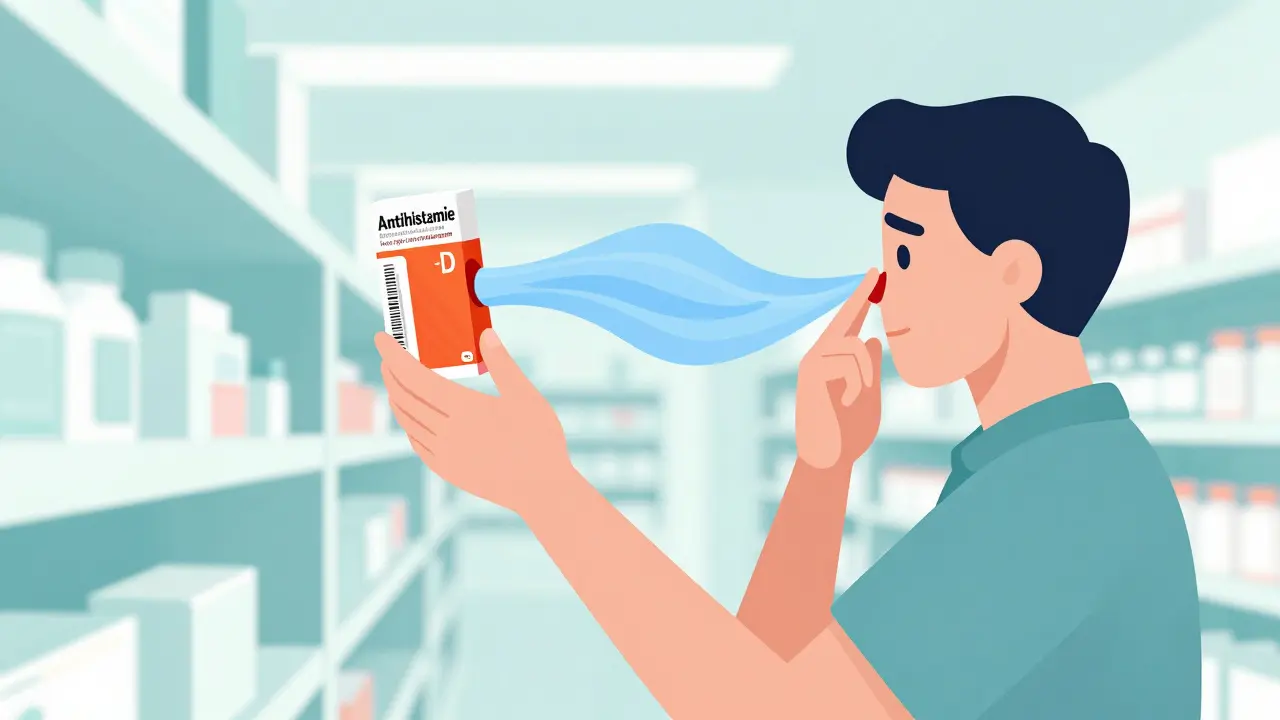
You've probably seen boxes labeled "D," like Claritin-D or Zyrtec-D. That "D" stands for decongestant, specifically Pseudoephedrine is a stimulant drug used to shrink swollen nasal passages and reduce congestion. While a standard antihistamine stops the sneezing and itching, it doesn't do much for a stuffed-up nose. Adding a decongestant can improve nasal airflow by about 42%, compared to just 28% with antihistamines alone.
However, these combination drugs come with a catch. Because pseudoephedrine can raise your blood pressure (sometimes by 3-5mmHg), people with hypertension should generally avoid them. Also, because this ingredient can be used to make illegal stimulants, you'll have to show your ID and pick these up from behind the pharmacy counter.
Hidden Traps: Food, Juice, and Drug Interactions
Believe it or not, what you drink can kill your medication's effectiveness. If you're taking Allegra (fexofenadine), stay away from grapefruit juice. A study in Clinical Pharmacology & Therapeutics found that grapefruit juice can reduce the bioavailability of the drug by 33%. Basically, you're paying for a pill that only works two-thirds as well because of your breakfast juice.
If you're on other medications, be mindful of loratadine. While it's generally the "weakest" of the second-gen group, it's also the safest for people on multiple prescriptions, as it has fewer interactions with macrolide antibiotics than some of its competitors.
Choosing the Winner: A Decision Guide
Still not sure which one to grab? Think about your primary goal for the day:
- "I can't possibly be sleepy today" $ ightarrow$ Go for Fexofenadine (Allegra).
- "My symptoms are severe and I don't mind a little drowsiness" $ ightarrow$ Go for Cetirizine (Zyrtec).
- "I just need something mild and safe for my other meds" $ ightarrow$ Go for Loratadine (Claritin).
- "I'm having an allergic reaction right now and need it to stop" $ ightarrow$ Go for Diphenhydramine (Benadryl).
- "I can't breathe through my nose at all" $ ightarrow$ Look for the "-D" versions (if your blood pressure is normal).
Do generic antihistamines work as well as brand names?
Yes. Generic versions contain the same active ingredients (like cetirizine or loratadine) and are required by the FDA to be bioequivalent to the brand-name versions. They are typically just as effective but cost significantly less.
Can I take a nasal spray and an oral antihistamine together?
Generally, yes. Many people use a steroid nasal spray (like Flonase) for long-term inflammation and a second-generation antihistamine for immediate symptom relief. However, always check with your pharmacist to ensure there are no specific interactions with your other health conditions.
Why does Zyrtec make me sleepy but Claritin doesn't?
Different molecules have different abilities to cross the blood-brain barrier. Cetirizine has a higher affinity for H1 receptors but slightly more penetration into the central nervous system than loratadine, leading to a higher rate of sedation in some users.
How long does it take for non-drowsy allergy meds to start working?
Most second-generation antihistamines take between 1 and 3 hours to reach peak effectiveness. This is why it's better to take them in the morning before your symptoms peak, rather than waiting until you're already sneezing.
Is it safe to take these every day for months?
Second-generation antihistamines are generally safe for long-term daily use during allergy season. However, you should avoid long-term daily use of first-generation drugs (like Benadryl) due to the risk of cognitive fog and tolerance buildup.
Next Steps and Troubleshooting
If you've tried two different second-generation antihistamines and you're still miserable, it's time to stop guessing. The American College of Allergy, Asthma, and Immunology suggests that if OTC options fail, you should see a specialist. You might have a more complex allergy that requires prescription-strength medication or immunotherapy (allergy shots).
If you experience sudden swelling of the lips, tongue, or throat, or have difficulty breathing, do not rely on OTC pills. These are signs of anaphylaxis, a medical emergency that requires immediate epinephrine and a trip to the emergency room.