
Medications to Avoid While Pregnant: Safety Warnings and Alternatives
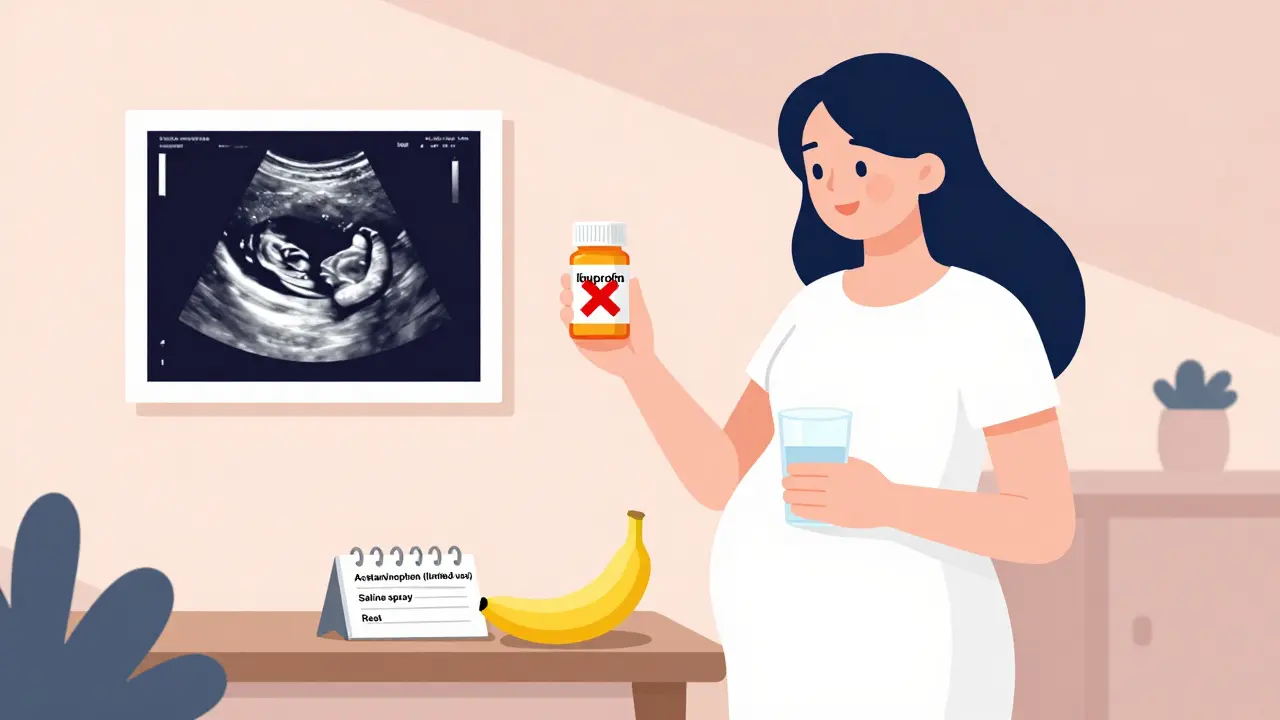
When you're pregnant, every pill, drop, or supplement feels like a decision that could change your baby’s life. You want to feel better - whether it’s a headache, stuffy nose, or back pain - but you’re terrified of doing something that might hurt your growing child. The truth is, not all medications are safe during pregnancy. Some can cause birth defects, preterm birth, or long-term developmental issues. Others, once thought harmless, are now under serious scrutiny. Knowing what to avoid - and what’s truly safe - isn’t just helpful. It’s essential.
Medications That Can Harm Your Baby
Some drugs are outright dangerous during pregnancy. These aren’t just "use with caution" warnings - they’re red flags that mean do not use.
NSAIDs like ibuprofen (Advil, Motrin) and naproxen (Aleve) are common pain relievers, but the FDA issued a strong warning in 2020: avoid them after 20 weeks of pregnancy. Why? They can cause fetal kidney failure and dangerously low amniotic fluid levels (oligohydramnios). Studies show the risk of these complications doubles after 20 weeks. Even aspirin, often used for heart health, should only be taken if prescribed at low doses (60-150 mg daily) for preeclampsia prevention.
ACE inhibitors and ARBs - drugs like lisinopril, benazepril, and valsartan - are used for high blood pressure. But if you’re pregnant, they can cause fetal kidney damage, poor lung development, and even death. If you’re on one of these and find out you’re pregnant, contact your provider immediately. There are safer alternatives like labetalol or methyldopa.
Isotretinoin (Accutane) for acne is one of the most dangerous drugs in pregnancy. It doesn’t just increase the risk of birth defects - it causes them in more than 25% of cases. These include missing ears, heart problems, and brain malformations. If you’re taking this, you must use two forms of birth control and wait at least a month after stopping before trying to conceive.
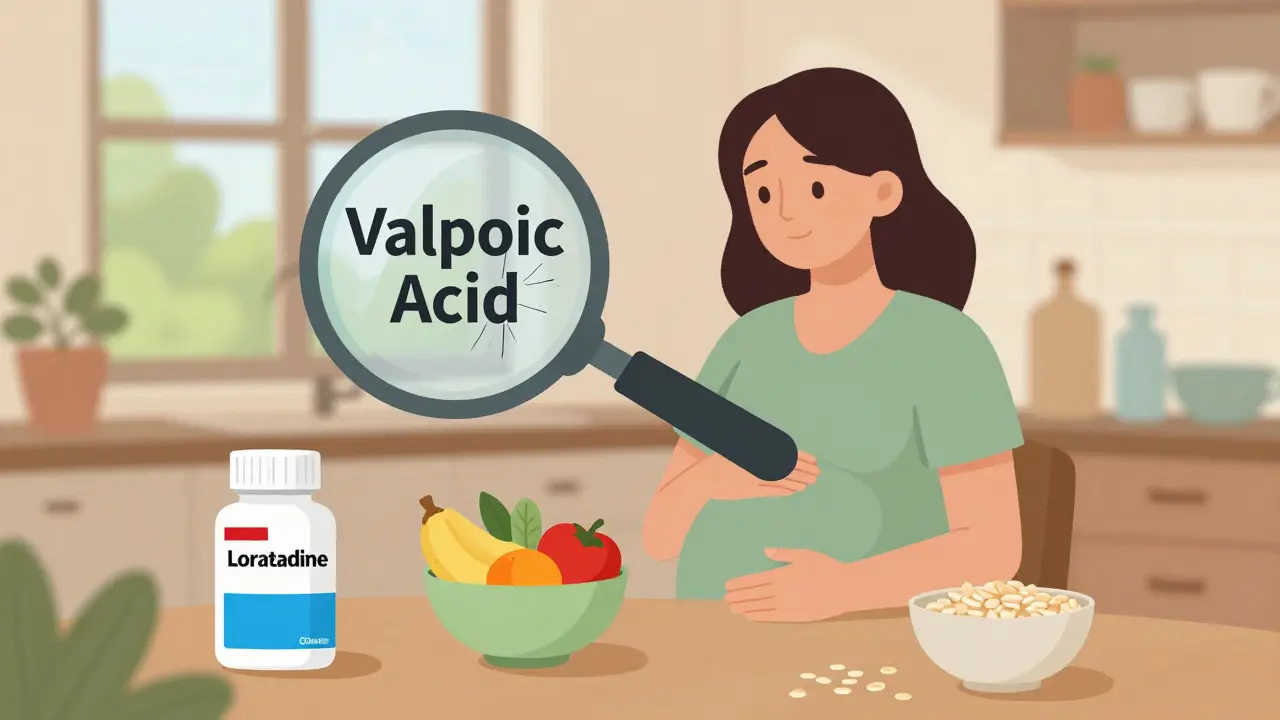
Valproic acid, used for epilepsy and bipolar disorder, carries a 10.7% risk of major birth defects - nearly four times higher than the general population. Babies exposed may have spina bifida, facial abnormalities, or cognitive delays. If you have epilepsy and are planning pregnancy, talk to your neurologist about switching to lamotrigine or levetiracetam, which are far safer.
Tetracyclines (like doxycycline) and fluoroquinolones (like ciprofloxacin) are antibiotics that can stain developing teeth and affect bone growth. They’re not just "not recommended" - they’re avoided entirely during pregnancy.
Warfarin (Coumadin), a blood thinner, crosses the placenta and can cause fetal warfarin syndrome - facial deformities, bone problems, and neurological damage. If you need anticoagulation during pregnancy, low molecular weight heparin (like Lovenox) is the standard. It doesn’t cross the placenta and is much safer.
The Acetaminophen Debate: What’s Really Safe?
For decades, acetaminophen (Tylenol) was the go-to pain and fever reliever during pregnancy. It was labeled the safest option. But in September 2025, the FDA issued a new notice to physicians: prolonged use of acetaminophen during pregnancy may be linked to higher risks of ADHD and autism spectrum disorder in children.
A 2021 study of 95,000 mother-child pairs found a 28.6% increased risk of ADHD and a 20.4% increased risk of autism when acetaminophen was taken regularly throughout pregnancy. The CDC now advises pregnant women to "consider avoiding" acetaminophen as a precaution - even though they still say no direct cause-and-effect has been proven.
So what do you do? If you have a fever of 102°F or higher, don’t wait. Untreated fever increases the risk of neural tube defects by 8.2 times. In that case, the benefit of taking acetaminophen outweighs the potential risk. But for a mild headache or occasional discomfort? Try non-drug options first: rest, cold compresses, hydration, or gentle massage. If you need acetaminophen, use the lowest dose possible (325-650 mg) for the shortest time - no more than 3,000 mg per day.
There’s no perfect answer here. The science is still evolving. But the message is clear: don’t take acetaminophen "just in case." Use it only when necessary, and never as a daily habit.
Safer Alternatives for Common Pregnancy Symptoms
You don’t have to suffer through pregnancy discomforts. There are safer, evidence-backed options for most common issues.
Pain and fever: Acetaminophen (Tylenol) remains the first choice - but use it wisely. Stick to 325-650 mg every 4-6 hours, max 3,000 mg daily. Avoid NSAIDs after 20 weeks.
Allergies: Second-generation antihistamines are safe. Loratadine (Claritin), cetirizine (Zyrtec), and fexofenadine (Allegra) have been studied in thousands of pregnancies with no increased risk of birth defects. Avoid first-generation ones like diphenhydramine (Benadryl) - they can cause drowsiness and may affect fetal heart rate.
Nasal congestion: Start with saline sprays and humidifiers. If you need something stronger, pseudoephedrine (Sudafed) is okay after the first trimester - 30-60 mg every 4-6 hours, not over 120 mg daily. But if you have high blood pressure, skip it. It can raise your pressure by 5-10 mmHg.
Constipation: Fiber is your best friend. Aim for 25-30 grams daily from fruits, vegetables, oats, and beans. Drink plenty of water. If you need help, docusate sodium (Colace) at 100 mg twice daily is safe. If that’s not enough, polyethylene glycol (Miralax) at 17 grams daily is also Category B and has no link to birth defects in over 700 documented pregnancies.
Depression and anxiety: Untreated mental health conditions carry serious risks - higher chances of preterm birth, low birth weight, and postpartum depression. SSRIs like sertraline (Zoloft) and citalopram (Celexa) are generally preferred over paroxetine (Paxil), which has a slightly higher risk of heart defects. But stopping medication can lead to relapse in 20-25% of women. Work with your provider to find the lowest effective dose that keeps you stable.
What to Do Before and During Pregnancy
Don’t wait until you’re pregnant to review your meds. If you’re planning to conceive, schedule a preconception visit. Bring a list of everything you take - prescriptions, over-the-counter drugs, herbal supplements, and vitamins. Many women don’t realize that some herbal teas, weight-loss pills, or even CBD oils can be harmful.
Women with chronic conditions like epilepsy, asthma, diabetes, or high blood pressure need special planning. For example:
- If you take valproate for seizures, switch to lamotrigine before getting pregnant.
- If you use insulin or metformin for diabetes, your doses may need adjustment as your body changes.
- If you’re on antidepressants, don’t stop cold turkey - taper with medical supervision.
During pregnancy, keep a running list of every medication you take. Include the reason, dose, and how often. Bring it to every appointment. Even if your OB-GYN says "you’re fine," a pharmacist or maternal-fetal medicine specialist might spot something you missed.
Use trusted resources like MotherToBaby (operated by the Organization of Teratology Information Specialists). They offer free, science-based advice on medication safety during pregnancy and breastfeeding. Their fact sheets have been accessed over 2.3 million times a year - because real people need real answers.
When You’ve Already Taken a Risky Medication
If you took ibuprofen at 22 weeks, or accidentally used isotretinoin before you knew you were pregnant - don’t panic. You didn’t fail. You didn’t do anything wrong. You’re not alone.
More than 78% of women who call MotherToBaby have already taken a medication they later learned might be risky. The key is to act quickly. Call your provider. Tell them exactly what you took, when, and how much. Most medications don’t cause harm unless taken during critical windows - like the first 12 weeks for organ development.
Ultrasounds and specialized screenings can check for signs of problems. In many cases, the risk is lower than feared. But early detection gives you the best chance to manage any complications.
What’s Changing in 2025 and Beyond
The landscape of pregnancy medication safety is shifting fast. The FDA’s 2025 notice on acetaminophen marks a turning point. The European Medicines Agency already bans ibuprofen after 24 weeks - stricter than the U.S. 20-week cutoff. Lawsuits against acetaminophen manufacturers are mounting, with the first major trial set for March 2024.
Research is moving beyond simple "safe" or "unsafe" labels. Scientists are now studying how timing, dosage, and duration affect outcomes. The ABC Study - tracking 50,000 pregnant women across 15 countries - will follow children until age 10. Results expected in late 2025 could redefine what we consider safe.
For now, the best advice is simple: Don’t assume anything is safe just because it’s over-the-counter. Always check with your provider. When in doubt, choose the least invasive option. Use medication only when necessary. And never feel guilty for asking questions - your instincts matter.
Pregnancy isn’t about perfection. It’s about making informed choices with the best information available - and knowing that you’re doing your best for your baby.
Is it safe to take Tylenol while pregnant?
Tylenol (acetaminophen) is still considered the safest pain reliever during pregnancy when used at the lowest effective dose for the shortest time. However, new research suggests that prolonged or frequent use - especially throughout pregnancy - may be linked to higher risks of ADHD and autism in children. The FDA now advises caution. Use it only when necessary, stick to 325-650 mg per dose, and never exceed 3,000 mg daily. For mild symptoms, try non-drug options like rest, hydration, or a cold compress first.
Can I take ibuprofen or Advil while pregnant?
No - avoid ibuprofen (Advil, Motrin), naproxen (Aleve), and other NSAIDs after 20 weeks of pregnancy. They can cause fetal kidney problems and dangerously low amniotic fluid levels. Even before 20 weeks, they’re not the first choice. Use acetaminophen instead. If you took ibuprofen before knowing you were pregnant, contact your provider. A single dose early in pregnancy is unlikely to cause harm, but regular use needs evaluation.
What’s the safest allergy medicine during pregnancy?
Loratadine (Claritin), cetirizine (Zyrtec), and fexofenadine (Allegra) are all considered safe during pregnancy. They’re second-generation antihistamines with strong safety data from over 2,000 documented pregnancies. Avoid first-generation options like Benadryl, which can cause drowsiness and may affect fetal heart rate. Always check with your provider before starting any new medication, even if it’s "over-the-counter."
Is it safe to take antidepressants while pregnant?
Untreated depression carries serious risks - including preterm birth and low birth weight. For many women, the benefits of continuing antidepressants outweigh the risks. Sertraline (Zoloft) and citalopram (Celexa) are preferred over paroxetine (Paxil), which has a slightly higher risk of heart defects. Never stop your medication without talking to your doctor. A sudden stop can trigger relapse in 20-25% of cases. Work with your provider to find the safest medication and lowest effective dose.
What should I do if I took a dangerous medication before I knew I was pregnant?
Don’t panic. Many women accidentally take risky medications before realizing they’re pregnant. The key is timing - most birth defects occur during organ development in the first 12 weeks. Call your provider and tell them exactly what you took, when, and how much. Most single exposures don’t cause harm. But early detection allows for better monitoring. Use resources like MotherToBaby (mothertobaby.org) for free, expert advice. You’re not alone, and you didn’t do anything wrong.
Dave Alponvyr
December 16, 2025 AT 15:09Ron Williams
December 18, 2025 AT 11:14Aditya Kumar
December 19, 2025 AT 09:37Billy Poling
December 20, 2025 AT 04:14Randolph Rickman
December 21, 2025 AT 12:58Tiffany Machelski
December 22, 2025 AT 01:37Souhardya Paul
December 22, 2025 AT 05:03Josias Ariel Mahlangu
December 23, 2025 AT 00:50anthony epps
December 24, 2025 AT 07:13Andrew Sychev
December 26, 2025 AT 01:39Hadi Santoso
December 26, 2025 AT 11:45Arun ana
December 27, 2025 AT 05:04Kayleigh Campbell
December 28, 2025 AT 16:22Cassandra Collins
December 28, 2025 AT 17:18