
How to Prevent and Treat Herpes Simplex Skin Outbreaks
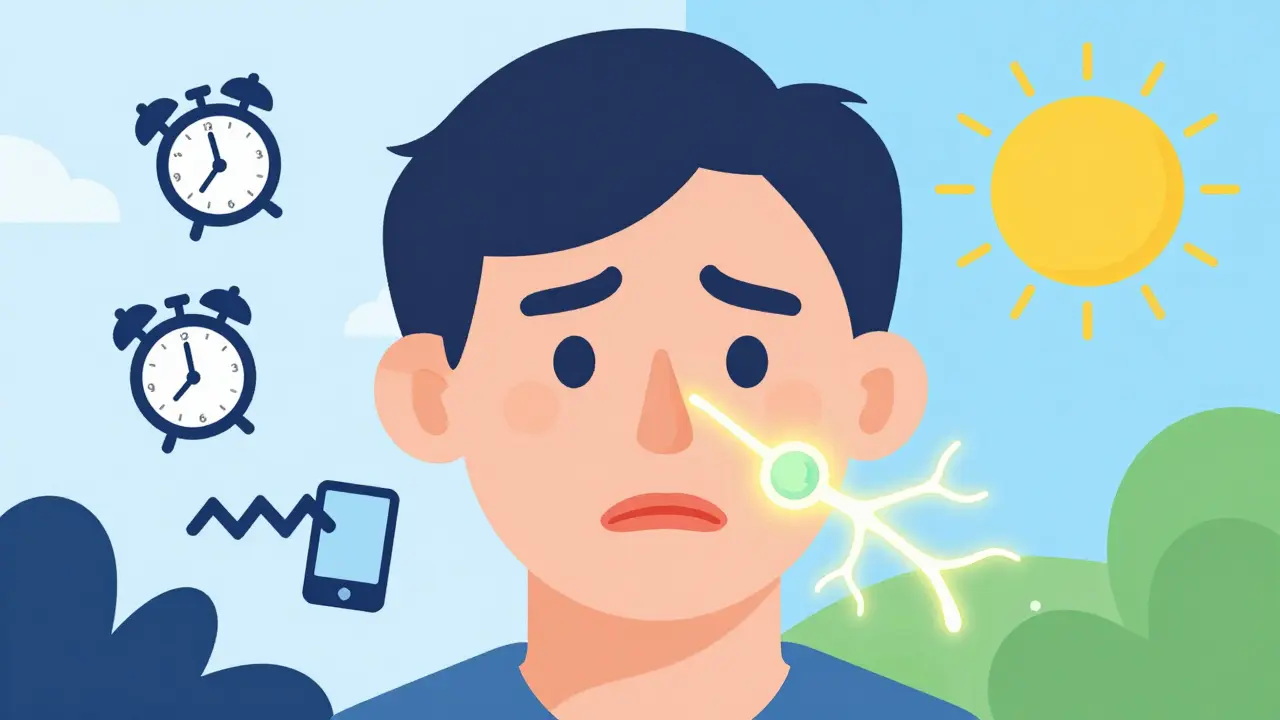
Dealing with a sudden breakout of painful blisters on your lip or genitals is more than just a physical nuisance; it's an emotional rollercoaster. If you've ever felt that telltale tingle and panicked, wondering if another outbreak is coming, you aren't alone. Millions of people live with Herpes Simplex is a viral infection caused by the herpes simplex virus (HSV) that establishes lifelong latency in the sensory ganglia of the nervous system. While the virus stays in your body forever, the frequency and severity of the skin lesions it causes can be managed with the right approach. The goal isn't just to hide a sore, but to keep the virus dormant for as long as possible.
Quick Summary: Managing Your Recurrences
- Suppressive Therapy: Daily antivirals can reduce outbreaks by 70-80% for those with frequent recurrences.
- The Golden Hour: Start episodic treatment within one hour of feeling a "tingle" (prodrome) for the best results.
- Trigger Control: UV exposure and high stress are the most common culprits for reactivation.
- Medical Procedures: Always tell your dermatologist about your history before laser or dental work to avoid severe flares.
Understanding Why Outbreaks Happen
The virus doesn't just "appear"; it wakes up. After your first infection, the virus travels to your nerve cells and goes to sleep. When certain triggers hit, it travels back down the nerve to the skin, causing those painful vesicles. For many, this happens 20-40% of the time after a triggering event.
Identifying your specific triggers is the first step in prevention. For most people, it's a combination of UV Light (sun exposure) and psychological stress. In fact, community data from patient forums shows that nearly 70% of people identify stress as their primary trigger, often seeing a lesion within 48 hours of a stressful event. Other culprits can include illness, hormonal changes, or even the trauma of a cosmetic procedure like laser resurfacing.
Antiviral Options: Suppressive vs. Episodic Therapy
Depending on how often you break out, your doctor will likely suggest one of two paths. One is like a "shield" you wear every day, and the other is a "fire extinguisher" you use only when there's a fire.
Suppressive Therapy is the daily use of antiviral medication. This is generally recommended for people who have six or more outbreaks per year. It's incredibly effective-reducing recurrences by up to 80% in some cases. On the other hand, Episodic Therapy is taking medication only when you feel an outbreak starting. This is better for people with infrequent sores, as it's more cost-effective and reduces the long-term load on your kidneys.
| Medication | Bioavailability | Dosing Convenience | Best Use Case |
|---|---|---|---|
| Acyclovir | 10-20% | Frequent (Multiple times daily) | Standard baseline treatment |
| Valacyclovir | 55% | Less frequent (High absorption) | Suppressive or high-dose episodic |
| Famciclovir | High | Convenient | Alternative for resistant strains |
The Importance of the Prodrome Phase
Timing is everything with Herpes Simplex. Most people experience a "prodrome"-a tingling, itching, or burning sensation-before the actual blister appears. If you start your medication during this window, you can potentially stop the blister from ever forming or significantly shorten the healing time.
According to guidelines, starting Valacyclovir at 2g twice daily for one day during the prodrome can reduce the median healing time from over five days down to about four. However, if you wait until the lesion is fully visible, the effectiveness of the medication drops by nearly 50%. It's a race against the virus; the earlier you act, the less skin damage you'll have.
Preventing Flares During Medical and Cosmetic Procedures
If you're planning a dental cleaning or a skincare treatment like a chemical peel or laser resurfacing, you need to be proactive. These procedures cause localized trauma to the skin, which is a prime trigger for HSV reactivation. In professional dermatology practices, pre-procedural prophylaxis is now a standard of care.
For example, taking a high dose of Valacyclovir (typically 2g) one hour before a dental procedure has been shown to nearly halve the risk of developing a lesion. For more aggressive treatments like laser resurfacing, doctors often prescribe a 10-14 day course of antivirals starting the day before the procedure. This almost entirely eliminates the risk of a flare-up, which is critical because a herpes outbreak during a laser treatment can lead to severe scarring or permanent skin damage.
Daily Care and Lifestyle Adjustments
Medication is powerful, but it isn't the only tool in your kit. Small lifestyle changes can significantly lower the "viral load" and keep your skin healthy. Since UV light is a known trigger, using a lip balm with SPF 30+ is a practical way to prevent cold sores. Some people also find that zinc supplementation (around 15-30mg daily) helps reduce the severity of their outbreaks, though this is more of a supportive measure than a cure.
Keep the affected area clean and dry. Avoid picking at scabs, as this can lead to secondary bacterial infections or cause the virus to spread to other parts of your body (autoinoculation). Using a gentle, fragrance-free moisturizer can help keep the skin barrier intact, making it harder for the virus to break through the surface.
The Psychological Side of Recurrence
The stress of a potential outbreak often creates a vicious cycle: you feel stressed, which triggers an outbreak, which makes you more stressed. Breaking this cycle is just as important as the medication. Knowing that the virus is manageable and that suppressive therapy can drastically reduce the frequency of episodes helps many people regain their confidence in relationships and self-image.
It's also worth noting that while daily medication reduces the frequency of outbreaks, it doesn't entirely eliminate the risk of transmission. Viral shedding can still occur. Honest communication and the use of barriers remain the most effective ways to protect partners, regardless of whether you are on suppressive therapy.
Does topical cream work as well as oral pills?
Generally, no. Research shows that oral antivirals are significantly more effective at reducing the frequency and duration of outbreaks. Topical acyclovir creams may provide some mild relief, but they don't have the systemic reach needed to effectively suppress the virus in the nerve ganglia.
Can I take suppressive therapy forever?
For many, this is a long-term strategy. However, it's important to have regular check-ups. Long-term use of nucleoside analogues can impact kidney function, so doctors usually monitor creatinine clearance, especially in older adults or those with pre-existing renal issues.
What is the best way to handle a "tingle"?
The moment you feel the prodrome (tingling or itching), take your prescribed episodic dose of antivirals. Ideally, this should happen within one hour. If you don't have medication on hand, avoid triggers like sun exposure or high-stress activities immediately.
Will a vaccine eventually cure herpes?
Current vaccine trials have shown some success in reducing viral shedding, but we aren't at a "cure" yet. The virus's ability to hide in the sensory ganglia makes total eradication very difficult. For now, antiviral management remains the gold standard.
Is it safe to get a tattoo or piercing if I have HSV?
Yes, but you should be cautious. Any procedure that breaks the skin can act as a trigger. Talk to your provider about using a short course of prophylaxis (like Valacyclovir) to prevent a flare-up at the site of the tattoo or piercing.
Next Steps for Your Skin Health
If you are experiencing more than six outbreaks a year, your first step should be to schedule a consultation to discuss suppressive therapy. If your outbreaks are rare, focus on a "rapid response" kit: keep your episodic medication in a convenient place and start tracking your triggers in a journal.
For those preparing for a cosmetic procedure, don't wait until the day of the appointment to bring up your history. Request a prophylaxis plan at least a week in advance to ensure you have the correct medication and dosage to keep your skin clear throughout the healing process.