
How to Communicate with Your Pharmacy During Generic Drug Transitions
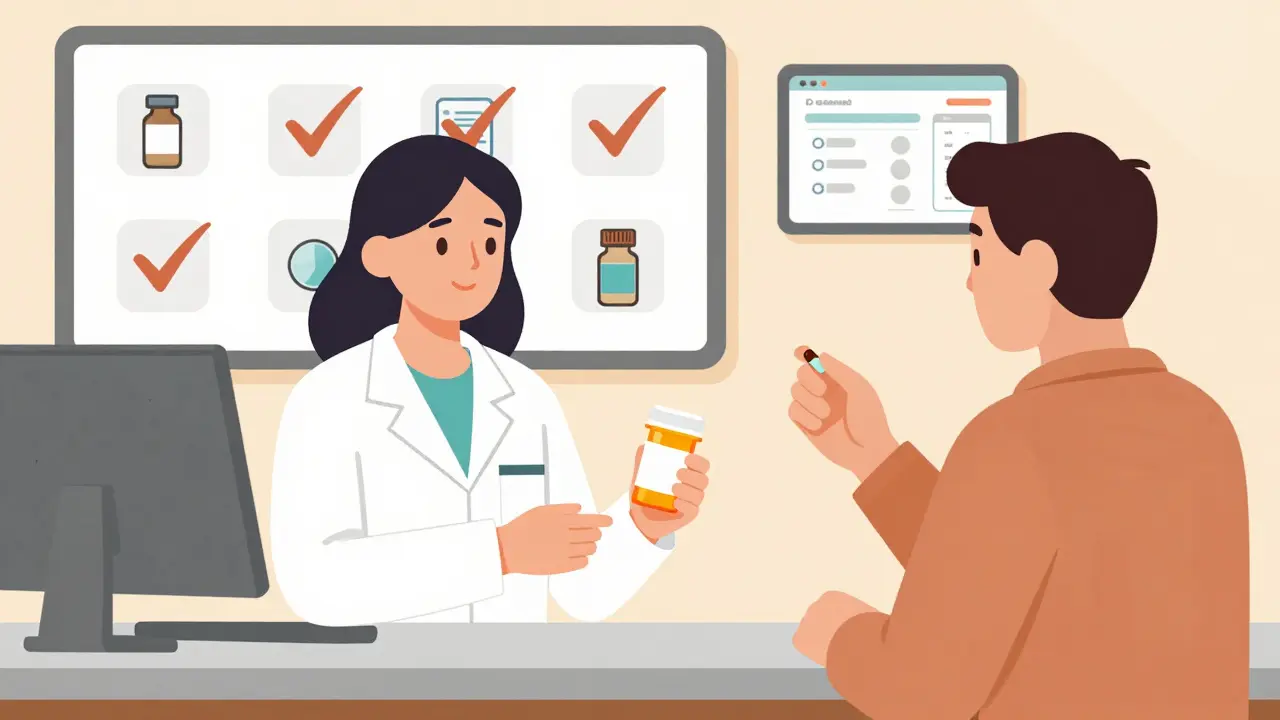
Switching from a brand-name drug to a generic version is common - and usually safe. In fact, generic drugs make up about 90% of all prescriptions filled in the U.S. today. But even though the FDA says generics are just as safe and effective as their brand-name counterparts, many people notice changes in how the pill looks, how it tastes, or even how they feel after taking it. That’s why talking to your pharmacy before and during a generic transition isn’t optional - it’s essential.
Why Generic Switches Happen
Generic drugs become available when a brand-name drug’s patent expires. This usually happens after 10 to 15 years of exclusivity. Once that happens, other companies can make identical versions - same active ingredient, same dose, same way of taking it. The only differences? The color, shape, or filler ingredients. These changes don’t affect how well the drug works, but they can confuse patients.The FDA requires generics to prove they deliver the same amount of medicine into your bloodstream as the brand-name version. The acceptable range? Between 80% and 125% of the original. That’s tight. But for some drugs - like warfarin, levothyroxine, or seizure medications - even small differences in how your body absorbs the drug can matter. That’s why communication matters more for those.
What You Should Know Before the Switch
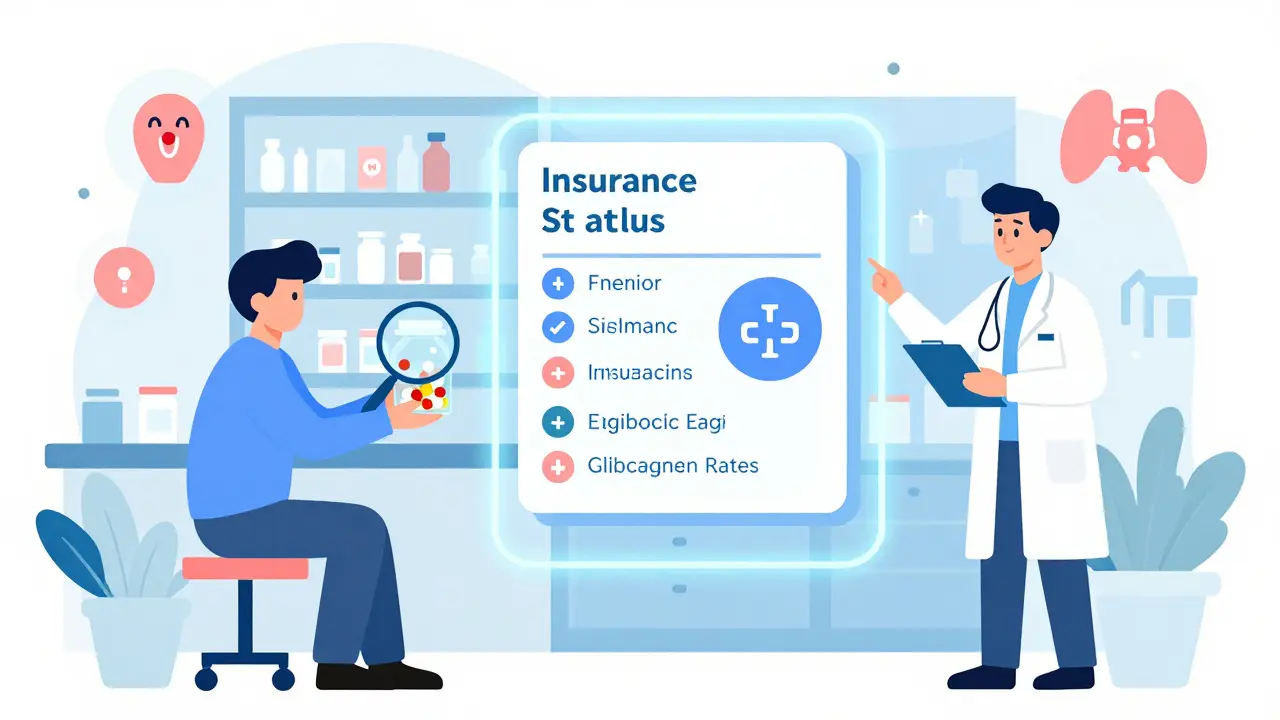
Don’t wait until your last pill is gone to ask questions. Start the conversation at least 30 days before your current supply runs out. Here’s what to do:- Check your insurance plan. Many plans automatically switch you to generics unless you or your doctor specifically request the brand. Some even require prior authorization to keep the brand-name version.
- Ask if your pharmacy has the generic in stock. Sometimes, even if a generic is available, your local pharmacy might not carry it yet. Specialty drugs, like those for rare conditions, may require a different pharmacy altogether.
- Get a list of all your medications. Bring it to your next visit. Include the name, dose, why you take it, and how often. This helps your pharmacist spot potential interactions.
- Ask about patient assistance programs. Generic manufacturers often offer coupons or discounts. Some even have free delivery or refill reminders.
What Pharmacists Do During a Transition
Your pharmacist isn’t just filling a prescription - they’re managing your safety. When a generic switch happens, they:- Verify your insurance coverage and check if prior authorization is needed.
- Compare your current medication with the generic to make sure there are no restrictions. For example, some states don’t allow automatic substitution for certain drugs like levothyroxine unless your doctor approves it.
- Check for drug interactions. A new generic might have different inactive ingredients that react with other meds you’re taking.
- Explain any changes in pill appearance. If your new pill is blue instead of white, or has a different imprint, they’ll tell you why.
- Offer medication synchronization. This means aligning all your refill dates so you can pick everything up in one visit. Studies show this improves adherence by 27%.
When You Should Worry - And What to Do
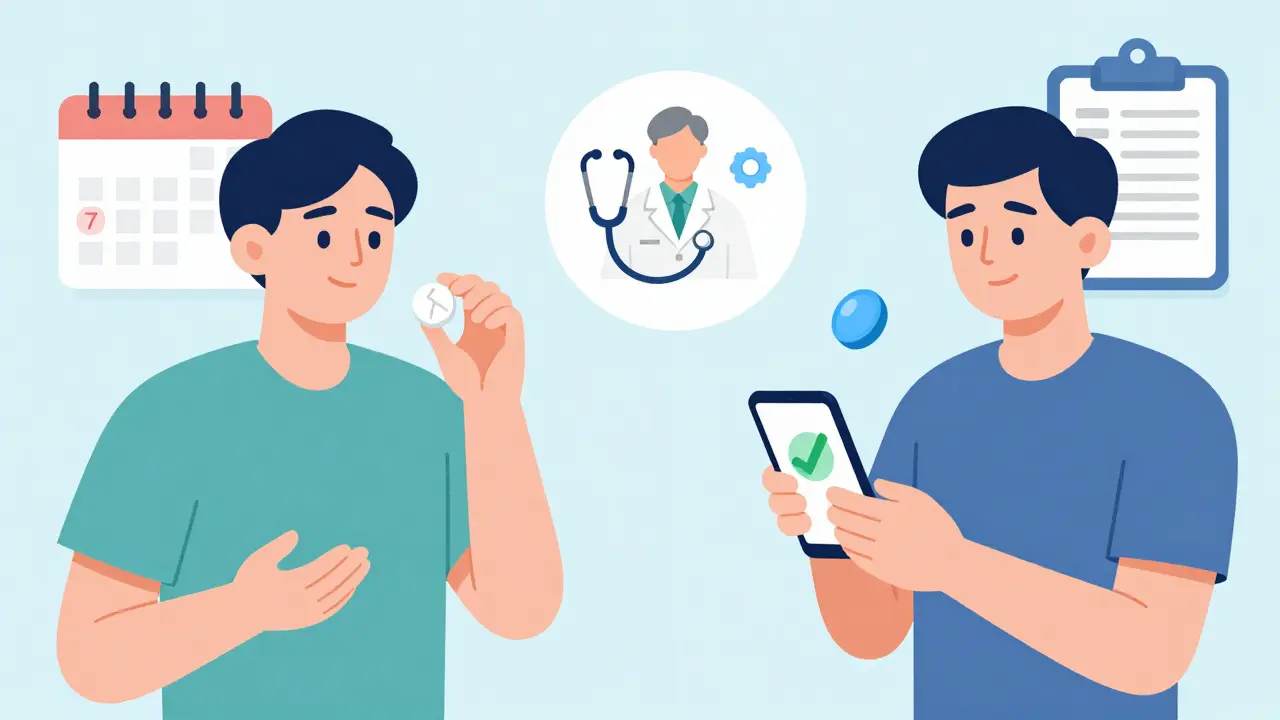
Most people switch without issues. But about 1 in 10 report problems. You should contact your pharmacist immediately if you notice:- Increased side effects - nausea, dizziness, rash, or fatigue that wasn’t there before.
- Worsening symptoms - for example, more seizures, unexplained weight gain, or unstable blood pressure.
- Confusion about the pill. If it looks completely different and you’re unsure if it’s the right one, don’t take it. Call first.
A 2021 study in JAMA Internal Medicine found that 9.4% of people switching from brand to generic antiepileptic drugs had therapeutic failure - meaning their seizures got worse. That’s rare, but real. The same study showed only 5.3% of people who stayed on the brand had the same issue. That’s why if you’re on a narrow therapeutic index drug, you need to be extra careful.
How Insurance Changes Affect Your Switch
Your plan’s formulary - the list of drugs it covers - determines what you pay. Most plans put generics on Tier 1 (lowest cost) and brand-name drugs on Tier 3 or higher. If your plan switches you automatically, you might get hit with a higher copay unless you appeal.Medicare Part D beneficiaries get a 90-day grace period if they’re new to the plan and their current drug isn’t covered. During that time, pharmacies can override restrictions if your doctor says the brand is medically necessary. But you have to speak up. Don’t assume they’ll know.
Commercial insurers are even stricter. Eighty-four percent require step therapy - meaning you must try the generic first before they’ll pay for the brand. If you’re switching because your doctor says you need the brand, make sure they send a letter of medical necessity to your insurer. Your pharmacist can help you with that.
Real Stories - What Patients Are Saying
On Reddit, one user, u/MedConcern87, shared that after switching from brand-name Keppra to generic levetiracetam, their seizure frequency doubled. They had to go back to the brand. Another user reported constant headaches after switching to a generic statin. Both cases were resolved after talking to their pharmacist and doctor.But most stories are positive. A Healthline survey of over 1,200 people found that 78% noticed no difference. And 63% said the biggest benefit was saving money - on average, $265 per year per medication. That’s real savings. Especially for people on multiple prescriptions.
What’s Changing in 2026
The DEA updated rules in late 2023 to let pharmacies transfer electronic prescriptions for controlled substances (like opioids or ADHD meds) at a patient’s request - no doctor call needed. That means if you’re switching pharmacies during a generic transition, you can move your prescription faster.Pharmacy systems are also getting smarter. Electronic health records now flag potential issues during generic switches. Mayo Clinic reported a 34% drop in medication errors since they started using automated alerts in 2023.
And soon, blockchain-based tracking systems from CVS and Walgreens will let you see exactly when and where your drug was made - giving you more confidence in the generic you’re taking.
What to Do Next
If you’re about to switch to a generic:- Call your pharmacy before your current supply runs out. Ask: "Is there a generic available? Will it be covered?"
- Ask if your doctor needs to approve the switch. Some drugs require it.
- Take a picture of your old pill and the new one. Compare them side by side. If they look very different, ask why.
- Set a reminder to check in with your pharmacist after 7-10 days. Ask: "Have you noticed any changes in how I’m feeling?"
- Keep your medication list updated. Use a phone app or a paper list. Bring it to every visit.
Generic drugs save billions every year. They’re not second-rate. They’re rigorously tested. But your body is unique. And that’s why your pharmacist - not just your doctor - is your best ally during a transition. Don’t assume. Don’t wait. Ask.
Are generic drugs really as good as brand-name drugs?
Yes - when approved by the FDA, generics must contain the same active ingredient, strength, dosage form, and route of administration as the brand-name drug. They must also prove they deliver the same amount of medicine into your bloodstream within a strict range (80%-125%). The FDA requires the same manufacturing standards. The only differences are color, shape, and inactive ingredients - which rarely affect how well the drug works.
Why do some people feel worse after switching to a generic?
For most drugs, they don’t. But for medications with a narrow therapeutic index - like levothyroxine, warfarin, or antiepileptics - even tiny changes in how your body absorbs the drug can matter. Differences in inactive ingredients (like fillers or coatings) can affect absorption in sensitive individuals. That’s why pharmacists check for these cases and may recommend staying on the brand if switching causes problems.
Can I ask my pharmacy to keep me on the brand-name drug?
Yes. If your doctor writes "Do Not Substitute" on the prescription, the pharmacy must honor it. You can also ask for a medical exception from your insurance. Many insurers will cover the brand if you’ve tried the generic and had side effects or reduced effectiveness. Your pharmacist can help you submit the paperwork.
What if the generic pill looks completely different?
That’s normal. Generic pills can vary in color, shape, size, and markings because manufacturers aren’t required to match the brand’s appearance. But the active ingredient is the same. If you’re unsure, ask your pharmacist to confirm the drug name and dose. You can also check the pill imprint on the FDA’s database or use a pill identifier app.
Do I need to tell my doctor I switched to a generic?
Yes - especially if you have a chronic condition like epilepsy, thyroid disease, or heart failure. Even if the switch seems smooth, your doctor should know so they can monitor your response. Some labs (like INR for warfarin) need to be checked more closely after a switch. Your pharmacist can help you schedule follow-up tests.
Linda Franchock
February 16, 2026 AT 18:17Oliver Calvert
February 17, 2026 AT 20:17Agnes Miller
February 18, 2026 AT 08:02PRITAM BIJAPUR
February 18, 2026 AT 08:07Digital Raju Yadav
February 18, 2026 AT 16:57Kancharla Pavan
February 19, 2026 AT 18:51Haley DeWitt
February 20, 2026 AT 22:36Geoff Forbes
February 22, 2026 AT 00:18Tony Shuman
February 22, 2026 AT 20:51Brenda K. Wolfgram Moore
February 22, 2026 AT 21:58Dennis Santarinala
February 24, 2026 AT 08:12