
Generic Drug Recalls and Safety Alerts: What Triggers Action
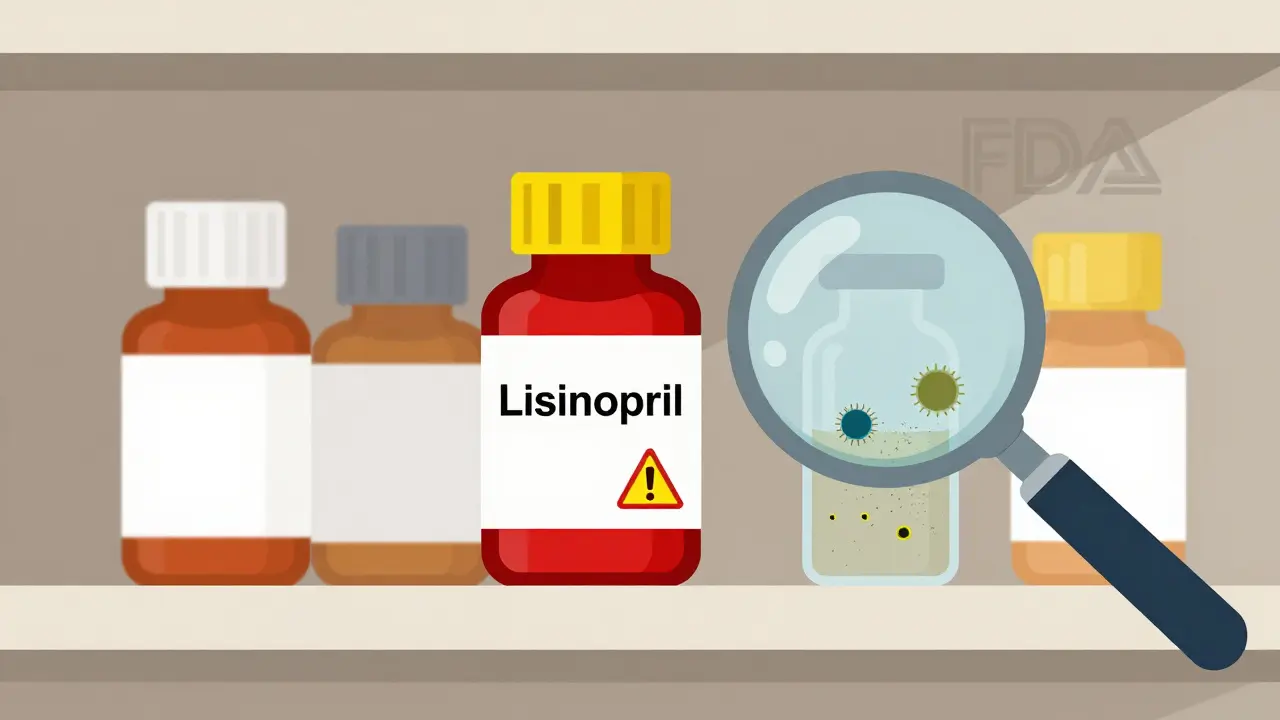
When you pick up a bottle of generic lisinopril or metformin, you expect it to work just like the brand-name version. You don’t expect it to be contaminated, mislabeled, or dangerously underdosed. But in 2024, nearly 350 drug recalls were issued in the U.S.-most of them involving generic medications. Why do these recalls happen? And what actually sets off the alarm that sends a medicine off store shelves?
What Makes a Generic Drug Unsafe Enough to Recall?
A drug recall isn’t a minor mistake. It’s a safety emergency. The FDA classifies recalls into three levels based on how dangerous the product is. Class I recalls are the most serious-these are products that could cause serious injury or death. In 2024, 87% of all drug recalls fell into Class I or Class II, meaning most weren’t just paperwork errors. They were real threats. One of the biggest triggers? Sterility failures. If a pill or injection isn’t sterile, bacteria or fungi can get inside. That’s not just risky-it’s life-threatening. Between 2012 and 2023, sterility issues caused 37% of all FDA drug recalls. Think about an IV bag of saline that’s supposed to be clean but instead carries mold spores. A patient gets it, and their bloodstream becomes a breeding ground for infection. That’s why, when labs find even one contaminated batch, the whole lot gets pulled. Another major reason? Labeling errors. In July 2024, ICU Medical recalled potassium chloride injections because 20 mEq vials were labeled as 10 mEq. Potassium chloride is used to treat low potassium, but too much can stop your heart. Nurses gave patients what they thought was a safe dose-and it wasn’t. That’s not a manufacturing flaw. That’s a human error in packaging. But it’s still enough to trigger a recall. Then there’s active ingredient potency. If a generic pill contains only 70% of the labeled amount of the drug, it won’t work. If it contains 150%, it could overdose someone. The FDA requires generics to be within 80-125% of the brand-name drug’s potency. When testing shows they’re outside that range, it’s a recall trigger. In 2024, potency issues accounted for 7% of recalls.Where Do These Problems Come From?
Most generic drugs sold in the U.S. aren’t made here. About 80% of the active ingredients come from India and China. The problem isn’t that these countries make bad drugs-it’s that oversight is weak. Domestic factories get inspected every 1.8 years on average. Foreign ones? Every 4.6 years. That’s not a typo. Four and a half years between inspections means problems can fester. Glenmark Pharmaceuticals, an Indian manufacturer, had to recall nearly 40 generic drugs in April 2025 because of repeated violations of manufacturing standards. The FDA hadn’t inspected their facility in over four years. Journalists uncovered the issue before regulators did. The system relies on companies to report problems themselves. The FDA can’t force a recall-they can only ask. And 98% of recalls are voluntary. That means if a company delays reporting, patients keep getting dangerous drugs. In the U.S., it takes an average of 42 days from when a problem is found to when the public is warned. In the EU, where recalls are mandatory, it’s 18 days.What Kind of Flaws Trigger the Most Recalls?
Here’s what the data shows about the top causes:- Sterility failures - 37% of recalls
- Particulate matter - 12% (tiny bits of glass, metal, or plastic in injections)
- Labeling errors - 9%
- Active ingredient potency - 7%
- Contamination - 5%

Why Are Generic Drugs More Likely to Be Recalled?
You might think brand-name drugs are safer. But the opposite is true. Generic drugs are more likely to be recalled-not because they’re worse, but because they’re more complex to make. Brand-name companies often control the entire process: from sourcing raw materials to packaging. Generic makers buy active ingredients from third-party suppliers, often overseas. That means more hands in the pot, more chances for something to go wrong. Plus, generics are made for low profit margins. Some manufacturers cut corners to stay competitive. In 2024, Indian manufacturers accounted for 34% of all generic drug recalls in the U.S., even though they only made 20% of the total volume. That’s a red flag. The FDA’s new Pharmaceutical Quality Assessment System (PQAS) now scores manufacturers. Companies scoring below 70 get bumped to the front of the inspection line. Glenmark’s score? Below 60.What Happens When a Recall Is Issued?
It’s not as simple as pulling a product off the shelf. Here’s how it actually works:- The manufacturer discovers a problem-through internal testing, a customer complaint, or an FDA inspection.
- They notify the FDA and propose a recall plan: which lots are affected, how many units, and how to reach customers.
- The FDA reviews and classifies the recall (Class I, II, or III).
- The manufacturer issues a public notice and contacts distributors, pharmacies, and hospitals.
- Healthcare providers are expected to check their inventory within 24 hours and notify patients within 72 hours.
How Are Pharmacies and Hospitals Handling Recalls?
Large hospitals have systems to track recalls automatically. They build “do not purchase” lists into their ordering software so recalled drugs can’t be reordered. About 76% now use automated systems. Smaller clinics? Not so much. Pharmacists spend hours tracking down lot numbers. One hospital survey found 82% struggled to identify which bottles were affected. It’s messy. A single drug might be distributed through 5 wholesalers, 30 pharmacies, and 200 clinics. Finding the right batch is like finding a needle in a stack of needles. The Joint Commission requires hospitals to keep recall records for six years. That’s why most now use digital tracking. But even with tech, the human factor remains. Pharmacists say 94% of their job during a recall is calming patients down.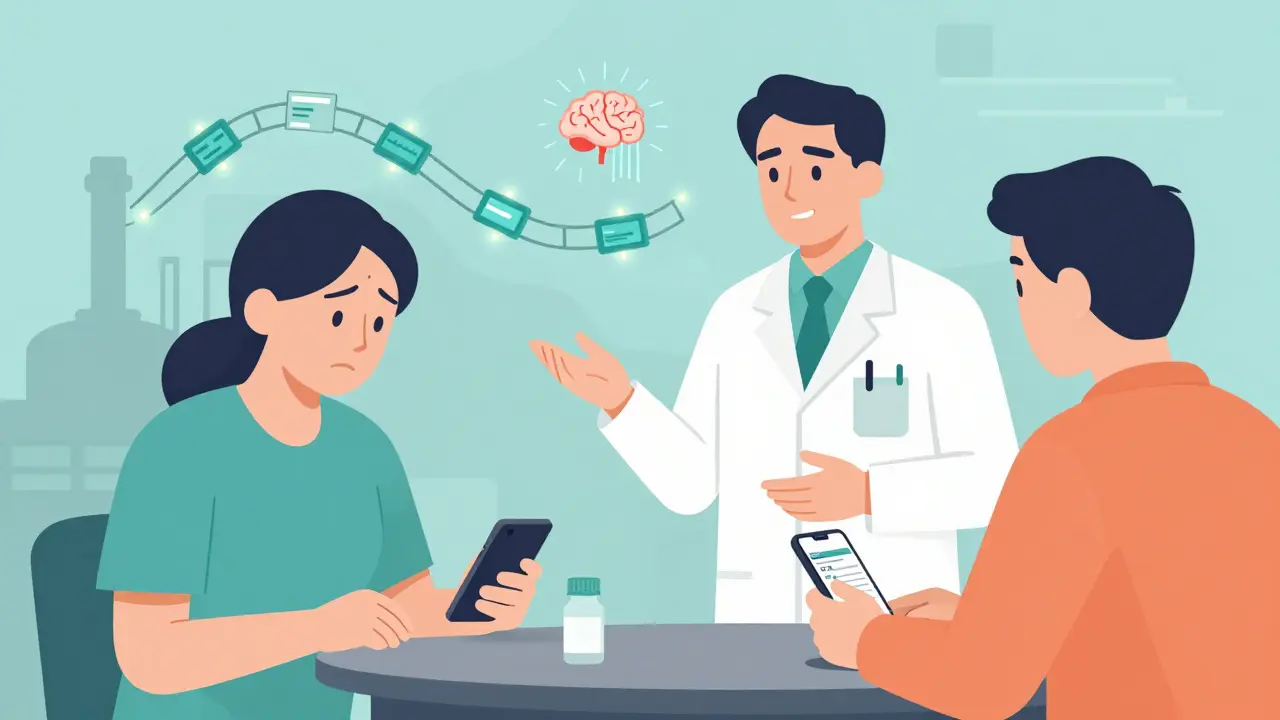
What’s Changing to Make Things Better?
The system is broken-but it’s not frozen. Changes are coming. In April 2025, the FDA announced the Enhanced Oversight Initiative: high-risk foreign factories will now be inspected annually instead of every 4.6 years. That’s a huge shift. The goal? Target the 12% of manufacturers responsible for 67% of all recalls. New laws are also in motion. The Pharmaceutical Supply Chain Security Act, introduced in May 2025, will require foreign makers to share real-time quality data with the FDA. No more waiting for inspections to catch problems. Technology is helping too. Blockchain systems, which track every step of a drug’s journey from factory to pharmacy, are now used by 18% of major manufacturers-up from 3% in 2023. That means if a problem pops up, they can pinpoint the exact batch in hours, not days. The FDA is also testing AI tools to predict quality failures before they happen. With $47 million in funding, they’re training algorithms to spot patterns in manufacturing data that humans miss. Early results show promise.What Should You Do If Your Medication Is Recalled?
Don’t panic. But don’t ignore it either.- Check the lot number on your bottle against the FDA’s Enforcement Reports database. It’s free and searchable.
- Call your pharmacy. Don’t assume they’ve notified you.
- Don’t stop taking your medicine without talking to your doctor-even if it’s recalled. Suddenly stopping blood pressure or seizure meds can be dangerous.
- If you think you’ve had a bad reaction, report it to the FDA’s MedWatch program. Only 3.2% of patients do this-but every report helps.
Janette Martens
December 28, 2025 AT 22:36Marie-Pierre Gonzalez
December 30, 2025 AT 16:57Louis Paré
December 30, 2025 AT 20:35oluwarotimi w alaka
January 1, 2026 AT 00:29Debra Cagwin
January 2, 2026 AT 09:14Hakim Bachiri
January 2, 2026 AT 15:11Celia McTighe
January 4, 2026 AT 10:57Ryan Touhill
January 5, 2026 AT 23:23Teresa Marzo Lostalé
January 7, 2026 AT 04:14ANA MARIE VALENZUELA
January 7, 2026 AT 23:02Sydney Lee
January 9, 2026 AT 17:46Bradly Draper
January 11, 2026 AT 00:37Gran Badshah
January 12, 2026 AT 21:17Ellen-Cathryn Nash
January 13, 2026 AT 08:27